Ballerina Silhouette Review
As an embroidery designer who has spent years turning digital files into tangible brand assets, I look at every new design with a critical eye. My focus is rarely just on aesthetics; it is on viability. Can this design survive the wash cycle? Does it read clearly on a busy fabric texture? Will it elevate a small business’s product line or clutter it? Today, I am reviewing the Ballerina Silhouette, a machine embroidery design that promises elegance and grace. But for the small business owner, Etsy seller, or apparel decorator, elegance must be paired with execution. This review breaks down how this design performs in real-world commercial applications, from branded patches to custom apparel.
First Impressions: Elegance Meets Commercial Viability
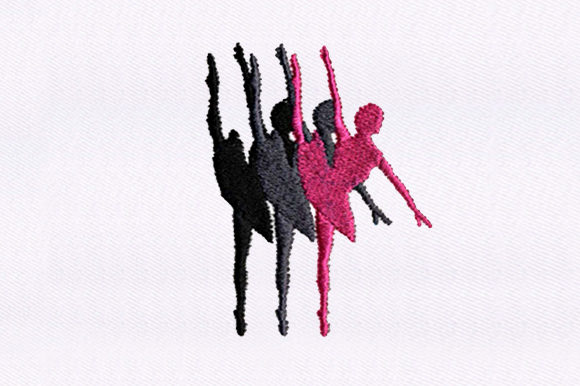
The Ballerina Silhouette immediately strikes me as a premium asset. The title suggests a classic, timeless figure, which aligns perfectly with current trends in boutique branding. When I first loaded the file into my digitizing software, the clean lines stood out. Unlike complex pictorial designs that can lose detail when shrunk, silhouettes rely on negative space and bold shapes. This makes them inherently strong candidates for small business merch. The design feels professional yet approachable, avoiding the overly decorative pitfalls that often plague amateur embroidery files. It reads as handmade but polished, a crucial distinction for brands trying to convey authenticity without sacrificing quality.
In terms of visual personality, the silhouette exudes grace and movement. For a dance studio, yoga brand, or feminine-focused boutique, this design offers immediate emotional resonance. However, its appeal extends beyond the dance niche. A florist might use it to suggest delicate care; a bakery could pair it with script text for a "sweet" aesthetic. The versatility here is high, provided the client understands the limitations of single-color or limited-color embroidery files.
Real-World Business Applications
The true test of any machine embroidery design is its performance across various mediums. Let us explore where the Ballerina Silhouette shines in a commercial context.
- Embroidered Patches: This is perhaps the strongest use case. The solid shape of the silhouette translates beautifully to patch work. Whether iron-on or sewn onto denim jackets, backpacks, or tote bags, the design remains legible even at smaller sizes. For craft business assets, these patches serve as excellent customer gifts or loyalty rewards.
- Staff Uniforms and Aprons: Imagine a boutique café or a high-end tea house. A subtle Ballerina Silhouette on the chest pocket of a white apron adds a touch of sophistication without overwhelming the staff member. It signals attention to detail to the customer. Similarly, for dance studios, placing this on the sleeve or back of a uniform reinforces brand identity instantly.
- Cap Embroidery: Curved surfaces like caps present challenges, but a simple silhouette works well here. Positioned on the front panel, it acts as a clean logo mark. It is less likely to pucker than dense floral designs, making it a safer choice for custom apparel production runs.
- Tote Bag Design: Canvas totes are a staple for handmade brands. The Ballerina Silhouette provides a striking contrast against natural or dark canvas. It serves as a standalone graphic that requires no additional text to make an impact, perfect for minimalist branding strategies.
- Product Packaging Accents: Small businesses often stitch labels directly onto garment tags or packaging hangtags. The compact nature of a silhouette allows it to fit neatly on small woven labels or embroidered cards, enhancing the unboxing experience and perceived product value.
Where Caution Is Required
While the design is versatile, not every application is suitable. As a designer, I advise clients to avoid using this file in scenarios where fine detail is lost. If you attempt to scale the Ballerina Silhouette down too far for a tiny logo on a pen or a miniature tag, the curves may merge, losing the distinct shape of the figure. Additionally, high stitch density areas within the silhouette can cause puckering on lightweight fabrics like silk or thin jersey unless proper stabilization is used.
Fabric texture also plays a significant role. On heavily textured materials like thick wool or bouclé, the definition of the silhouette edges may become soft. In such cases, the design might look muddy rather than crisp. Furthermore, if the design includes intricate internal cutwork or very thin connecting threads (which I cannot confirm without seeing the specific digitization), those elements are vulnerable during frequent washing. Always test on the actual fabric before committing to large production runs.
Impact on Brand Identity and Customer Trust
Embroidery is tactile. Customers feel the quality of the stitching, which directly influences their perception of your brand. A well-executed Ballerina Silhouette communicates professionalism and care. It suggests that your business values craftsmanship over mass-produced shortcuts. This enhances brand identity by associating your products with artistry and grace.
Visual consistency is key. If your other design assets are bold and geometric, a flowing silhouette might clash. However, if your brand leans towards organic, elegant, or artistic themes, this design will reinforce your message. It builds customer trust by delivering a finished product that looks intentional and high-quality. Buyers are more likely to engage with a brand that presents itself with cohesive, thoughtful details.
Practical Designer Notes for Production
Before you order thousands of units or start your next Etsy listing, follow these essential steps to ensure success with the Ballerina Silhouette:
- Test in Black and White First: Remove color distractions. Check if the shape holds up monochromatically. This ensures the design relies on form, not just thread color.
- Check Stitch Density: While the exact stitch count is not provided in the file metadata, inspect the density in your digitizing software. Ensure there are no excessive overlaps that could cause bulkiness.
- Review Thread Color Contrast: The silhouette needs to pop against your base fabric. Dark navy on black will disappear; cream on white will vanish. Choose colors that provide clear visibility.
- Confirm Hoop Size: Verify the required hoop dimensions match your equipment. Standard hoops vary, so ensure the design fits comfortably without trimming important elements.
- Use Proper Stabilizer: For curved surfaces like caps or seams, use cut-away stabilizer to prevent distortion. For stable fabrics like cotton twill, tear-away may suffice.
- Create a Printable Mockup: Before embroidering, generate a printable mockup to visualize the design on the final product. Compare it beside other design assets to ensure harmony.
- Inspect Spacing: Look closely at the spacing between the legs and arms of the silhouette. Are they balanced? Does the posture look natural?
- Confirm Commercial Licensing: This is critical. Ensure you have the right to use the digital embroidery file for resale. Check the license terms associated with formats like PES, DST, JEF, and others listed in the product description.
Technical Compatibility
The Ballerina Silhouette is available in a wide range of formats, including 10O, ART, CND, DSB, DST, DSZ, EXP, HUS, JEF, PCS, PES, TAP, VIP, VP3, and XXX. This broad compatibility means it can be used on almost any modern computerized embroidery machine. Whether you are working with Brother, Janome, Bernina, or Tajima machines, you can find the correct file type. This flexibility is a major advantage for multi-machine shops or freelancers who rent time on different equipment.
Final Verdict
The Ballerina Silhouette is a strong, versatile addition to any designer’s library. Its clean lines and elegant form make it ideal for commercial embroidery projects ranging from embroidered patches to apron embroidery. It supports handmade product branding by adding a layer of sophistication that customers appreciate. However, success depends on proper digitization checks, appropriate fabric selection, and strict adherence to licensing agreements. By testing thoroughly and applying it strategically, small business owners can leverage this design to enhance their finished product quality and strengthen their market presence. It is not just a dance motif; it is a tool for building a refined, trustworthy brand image.