Dice Embroidery Design Review for Holiday Collections
As an embroidery designer who spends countless hours digitizing patterns and testing stitches on various fabrics, I am always looking for designs that bridge the gap between playful nostalgia and high-quality craftsmanship. When I first encountered the Dice design file, my immediate reaction was one of excitement regarding its potential for seasonal product lines. This isn't just a random graphic; it is a machine embroidery design that carries a distinct mood—one that blends luck, chance, and festive cheer. For Etsy sellers, small business owners, and crafters planning their holiday inventory, understanding how this specific design performs is crucial for creating products that resonate with shoppers.
First Impressions: The Seasonal Mood and Emotional Tone
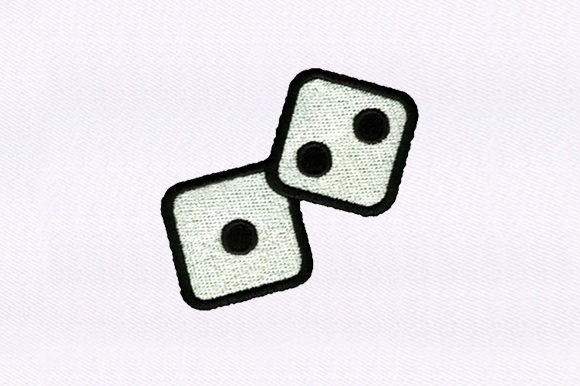
The Dice design immediately strikes a balance between modern minimalism and rustic charm. In the context of holiday shopping, emotion drives sales. Shoppers are looking for items that feel personal, warm, and celebratory. This design delivers on that front. It feels inherently festive without being overly cluttered, making it versatile enough for a wide range of aesthetics. Whether you are aiming for a cozy, nostalgic vibe or a sleek, contemporary look, the geometric nature of dice allows it to fit seamlessly into both.
The decorative style is clean, which means it translates beautifully across different mediums. It doesn’t rely on complex shading or intricate florals that might get lost in fabric texture. Instead, it relies on bold shapes and clear definition. This clarity is essential for holiday embroidery, where customers want to see the quality of the work at a glance. The design evokes a sense of fun and anticipation, perfect for parties, game nights during the winter holidays, or as a quirky addition to family matching outfits. It taps into the universal language of play, making it an excellent choice for handmade gift creators who want to offer something unique yet recognizable.
Real-World Applications for Seasonal Product Creators
When building a collection for the holiday season, versatility is key. The Dice design proves its worth across multiple product categories. Here is how I envision this embroidery file performing in real selling situations:
- Sweatshirt Embroidery: A single die or a cluster of dice placed over the heart or on the sleeve adds a subtle touch of personality to winter apparel. It works exceptionally well for "lucky" themed gifts or New Year’s Eve collections.
- Tote Bag Design: Canvas tote bags are staples for holiday market stalls. The sturdy fabric holds up well to the stitch density of this design, making it a durable option for shoppers carrying gifts home.
- Kitchen Towel Embroidery: For the hostess gift market, embroidered kitchen towels remain a top seller. Dice can represent luck in the kitchen or simply add a playful element to a farmhouse-style decor line.
- Pillow Cover: Soft home textiles benefit from the tactile appeal of embroidery. A dice motif on a throw pillow adds a cozy, inviting texture that enhances visual recognition in social media previews.
- Embroidered Patch: Creating detachable patches allows buyers to customize their own jackets or bags. This adds value to your product line and encourages repeat purchases.
- Baby Items and Aprons: The cute, rounded aesthetic can be adapted for baby onesies or children’s aprons, tapping into the sentimental spending of parents looking for personalized gift ideas.
For Etsy sellers and digital file buyers, these applications translate directly into higher engagement. When you create realistic mockups showing the Dice design on a variety of textures, you help the customer visualize the finished product. This reduces hesitation and builds trust in your brand consistency.
Strategic Considerations and Careful Usage
While the Dice design is robust, there are specific areas where caution is required to maintain professional standards. As a designer, I advise reviewing the following factors before adding this to your commercial catalog:
- Hoop Size and Stitch Density: Ensure the design fits within your target hoop size. If the design is too large for small projects like coffee cozies, it may distort. Check the stitch density to ensure it is not too heavy for lightweight fabrics, which could cause puckering.
- Fabric Texture and Color: Test thread colors on both light and dark fabrics. On dark materials, you may need an underlay stitch or a contrasting thread color to make the white pips of the dice pop. Dark fabric can sometimes swallow up fine details if the thread colors lack sufficient contrast.
- Small Details: Review the smallest elements after stitching. If the dots (pips) on the dice are too small, they may become indistinct blobs. This is particularly important for apparel decorators working on curved caps or small patches where precision is paramount.
- Washability: For items that require repeated washing, such as kitchen towel embroidery or baby clothes, confirm that the stabilizer used provides enough support. Poor stabilization can lead to unraveling, damaging customer trust.
- Metallic Thread Risks: While metallic threads look premium, they can break more easily on dense designs. If using metallics, reduce machine speed and ensure the needle eye is compatible.
Enhancing Seasonal Appeal and Buyer Emotion
Incorporating the Dice design into your holiday strategy does more than just add a graphic; it influences buyer emotion and perceived value. Luck is a powerful theme during the transition into the new year and the celebration season. By offering a seasonal embroidery design that symbolizes good fortune, you align your products with positive sentiments.
This alignment boosts commercial embroidery potential. Customers are more likely to purchase items that feel meaningful. A digital embroidery file like this allows you to create limited-time product drops, such as "New Year's Lucky" collections. These exclusives drive urgency and engagement. Furthermore, when the design is executed well, it signals quality. A crisp, clean embroidery job suggests that the entire product is made with care, reinforcing customer trust.
Practical Designer Notes for Implementation
To ensure success, follow these practical steps before launching your products:
- Test Rigorously: Always stitch out a test sample on the actual fabric you plan to sell. Check for any gaps in coverage or tension issues.
- Plan Matching Palettes: Coordinate your thread colors with seasonal trends. Classic red and green, gold and black, or neutral creams and browns can all work depending on your brand identity.
- Create Realistic Mockups: Use high-quality images that show the texture of the stitches. This helps small shop product listings stand out in crowded marketplaces.
- Confirm Licensing: Before selling finished goods, verify the commercial licensing terms associated with the Dice design. Different formats like PES, DST, JEF, XXX, VP3, VIP, TAP, PEC, PCS, HUS, DSZ, EXP, DSB, CND, ART, and 10O may have varying usage rights depending on the source.
- Use Proper Stabilizer: Select the right stabilizer for each fabric type. Cut-away stabilizers are generally best for knitwear like sweatshirts, while tear-away may suffice for woven cottons.
Ultimately, the Dice design offers a compelling opportunity for designers and sellers looking to expand their holiday offerings. Its blend of playful symbolism and clean execution makes it a strong candidate for toys, home decor, and apparel categories. By paying attention to detail—from hoop size selection to final quality checks—you can create products that not only sell well but also delight customers with their craftsmanship. Whether you are a seasoned pro or just starting out, this design can add a lucky charm to your seasonal collection.