Face of Wolf Design: A Designer’s Review
As an embroidery designer who spends more time than I care to admit staring at stitch density charts and testing thread tensions, I don’t just buy designs because they look good in a thumbnail. I buy them because I can see the finished product sitting on a shelf or being worn by a customer. When Face of Wolf Design landed in my inbox, my first instinct was to look past the digital preview and imagine it stitched into reality. This is not just another generic animal motif; it carries a specific mood, a rugged texture, and a visual weight that demands careful consideration before it hits the hoop.
First Impressions and Visual Personality
The moment you open the file for Face of Wolf Design, the personality of the piece becomes clear. It isn’t trying to be cute or overly stylized like some cartoonish interpretations found in mass-market bundles. Instead, it leans into a raw, graphic aesthetic. The layout feels balanced, with a strong central focus that naturally draws the eye. For a designer, this is crucial. You want a design that commands attention without requiring a massive canvas to make its point.
The visual personality here is one of quiet strength. Whether you are planning this for a cozy home decor item or a statement piece of custom apparel, the design has a grounded energy. It works well in monochrome but truly sings when you introduce earthy tones—think deep charcoal, forest green, or burnt orange threads against natural linen or heavy cotton. The shape suggests a modern take on traditional motifs, making it versatile enough for a variety of aesthetics, from rustic farmhouse to contemporary streetwear.
Real-World Application: From Digital File to Finished Product
I recently tested Face of Wolf Design on a few different substrates to see how it would perform in actual production scenarios. Here is where it shines and where it might need adjustment.
Apparel and Wearables
This design is an excellent candidate for sweatshirt embroidery. The graphic nature of the wolf face translates beautifully on the chest area of a heavyweight hoodie or a crewneck sweatshirt. Because the design has solid areas, it holds up well against the thicker fabric, providing a crisp, professional finish. It also works surprisingly well as a back print size on a t-shirt, offering a bold focal point that doesn’t overwhelm the garment.
For those running a craft business or selling on Etsy, this design is perfect for custom apparel. Imagine a boutique brand using this on unisex hoodies marketed toward outdoor enthusiasts or dog lovers. The emotional connection customers have with wolf imagery is strong, and this particular execution feels respectful and artistic rather than cliché.
Home Decor and Lifestyle Items
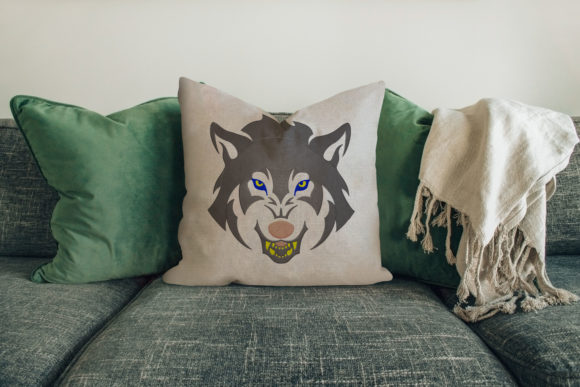
While categorized under House, the versatility of Face of Wolf Design extends far beyond the bedroom. I found it particularly effective on pillow covers. The square format often used for throw pillows complements the symmetrical balance of the design. It adds a touch of sophistication to a living room setting, especially when paired with neutral textiles.
It also makes a fantastic addition to kitchen towels or aprons if you are targeting a niche audience that appreciates rustic or woodland themes. However, for smaller items like tea towels, you must ensure the digitizing allows for sufficient scaling so the details don’t get lost in the weave of the fabric.
Technical Considerations and Stitch Quality
No matter how beautiful a design looks on screen, its value lies in its stitchability. When evaluating any embroidery file, I always look for clean edges, appropriate fill density, and logical stitching paths.
Stitch Density: The fill stitches in this design appear well-calculated. They are dense enough to cover the underlying fabric completely but not so heavy that they cause puckering on lighter materials. This balance is key for maintaining the structural integrity of your finished product.
Detail Level: The facial features are rendered with enough clarity to be recognizable even from a distance. This is important for personalized gifts or retail items where the buyer might view the product across a craft fair booth or through a small image on a mobile screen. Clarity equals trust; if a customer can clearly see the quality of the work, they are more likely to convert.
Thread Colors: While the digital preview might show limited colors, the potential for variation is high. This design lends itself well to multi-color projects. You could use metallic threads for highlights to create a premium feel, or stick to matte cottons for a softer, handcrafted look. Always test your thread colors against your chosen fabric to ensure contrast is maintained.
Where to Use Carefully
Even the best machine embroidery design has its limitations. There are specific scenarios where Face of Wolf Design requires extra caution.
- Small Hoop Sizes: If you are attempting to stitch this on very small items, such as baby booties or tiny caps, you may lose critical detail. The intricate lines of the wolf’s eyes or fur texture might blur together if the scale is too small. Always check the minimum recommended hoop size provided by the creator.
- Stretchy or Thin Fabrics: Embroidery adds weight and tension to fabric. On thin jersey knits or highly stretchy materials, this design could cause distortion unless a proper stabilizer is used. For baby embroidery projects, consider using a cut-away stabilizer to ensure the design remains flat and comfortable against the skin.
- Curved Surfaces: While it can work on caps, the curvature of a baseball cap can distort straight lines. You may need to adjust the design angle or use a curved-hooping technique to maintain the integrity of the wolf’s face.
- Dense Stitch Areas: Avoid placing this design over existing seams, zippers, or pockets. The additional thickness from the fill stitch and satin stitch elements can create uncomfortable bumps or cause the needle to break.
Practical Designer Notes for Success
Before committing to a full run of products, I strongly advise taking these steps to ensure your handmade product meets professional standards.
- Test on Scrap Fabric: Never assume a design will behave perfectly on your final material. Stitch it out on a scrap piece of the exact fabric you plan to use. This reveals issues with fabric texture, color bleeding, or tension problems early.
- Check Black and White Mockups: Convert the design to grayscale in your software. This helps you evaluate the contrast and balance of the shapes without being distracted by color choices. If the design lacks impact in black and white, it might struggle in color.
- Inspect Small Details: Zoom in on the digital file. Are there any overlapping stitches that shouldn’t be there? Are the running stitch elements long enough to catch the fabric properly?
- Confirm Licensing: If you are an Etsy seller or operating a small shop product line, verify the commercial license terms. Some digital embroidery files allow unlimited sales of finished goods, while others restrict the number of items or require attribution. Protect your commercial embroidery assets by understanding the rules.
- Use Proper Stabilizer: The choice of stabilizer can make or break a project. For woven fabrics, tear-away might suffice, but for knits or delicate materials, a wash-away or cut-away stabilizer is essential to prevent shifting during the embroidery process.
Final Verdict
Face of Wolf Design is a robust, visually striking option for designers looking to add depth and character to their collections. It bridges the gap between decorative art and functional design, making it suitable for everything from holiday embroidery gifts to everyday tote bag design updates. Its success ultimately depends on your execution—choosing the right fabric, stabilizer, and thread palette. But with careful preparation, this design has the potential to become a standout piece in your portfolio, driving engagement and sales for your creative enterprise. It is a reliable, stylish choice that respects both the craft of embroidery and the intelligence of the end user.