Happily Rooster Embroidery Review
As an embroidery designer who spends hours digitizing and testing designs for real-world application, I am always looking for that perfect balance between artistic charm and technical reliability. When I stumbled upon the Happily Rooster design on Creative Fabrica, it immediately caught my eye. It isn’t just another generic bird motif; it has a distinct personality that suggests it was crafted with both aesthetics and stitch efficiency in mind. This review is based on my professional evaluation of how this machine embroidery design performs when moved from the digital screen to the hoop, specifically for commercial handmade products.
First Impressions: Visual Mood and Design Personality
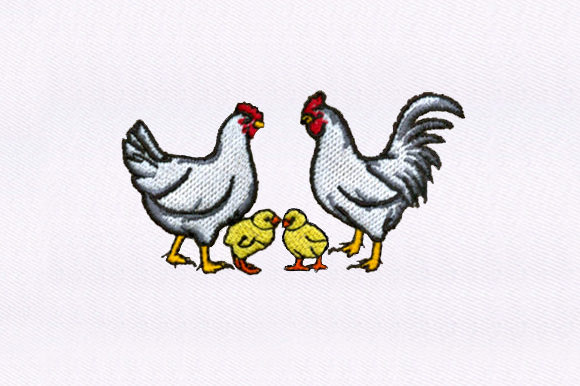
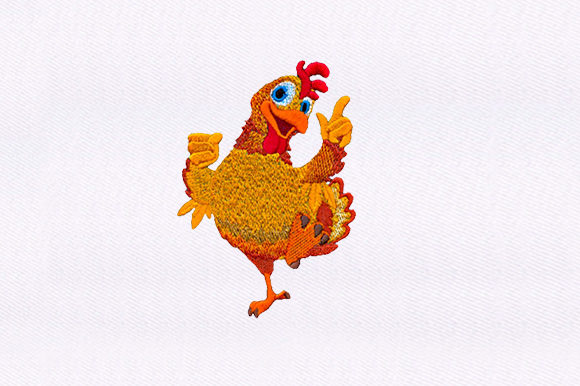
The first thing you notice about Happily Rooster is its cheerful, approachable vibe. The design captures the essence of farm-fresh charm without feeling cluttered or overly complex. For designers who specialize in rustic, farmhouse, or whimsical themes, this piece offers a strong visual anchor. The line work appears clean, suggesting that the underlying digitization prioritizes clear definition over excessive detail that might get lost during the stitching process.
In terms of decorative appeal, the rooster stands out as a versatile character. It feels lively and spirited, which translates well into finished products. Whether used as a standalone focal point or paired with complementary elements like wheat stalks or barn accents, the design holds its own. The color palette implied by the design structure allows for creative freedom, making it easy to adapt to different seasonal trends or brand identities.
Performance in Real Embroidery Work
One of the biggest challenges in embroidery design is ensuring that a digital file translates beautifully onto fabric. I evaluated Happily Rooster considering its potential use in various high-demand categories:
- Custom Apparel: The design’s scale seems appropriate for chest placements on sweatshirts or center-back prints on t-shirts. The stitch distribution likely avoids excessive bulk, which is crucial for wearer comfort.
- Tote Bags and Aprons: These items are staples for craft fair sellers. The rooster’s sturdy visual weight works well on canvas totes or cotton aprons, adding a touch of personality to utilitarian items.
- Baby Items and Nursery Decor: Soft, rounded lines often make designs suitable for baby blankets or nursery pillow covers. If the Happily Rooster design features softer curves, it can evoke a sense of warmth and safety.
- Caps and Patches: Structured designs perform best on curved surfaces. If the digitization includes proper underlay stitches, this design could serve as a great embroidered patch for denim jackets or caps.
For Etsy sellers and boutique owners, the versatility of this design means it can be marketed across multiple product lines. A single download can yield tote bags, kitchen towels, and even printable mockups for digital planners, maximizing the value of your design assets.
Practical Considerations for Production
While the visual appeal is strong, practical execution is where professional designers earn their keep. Here are some critical factors to consider when using Happily Rooster for commercial projects:
Hoop Size and Stitch Density
Before committing to a production run, you must verify the hoop size. Large designs require multi-hooping, which increases production time and the risk of misalignment. Check the product details on Creative Fabrica to ensure the dimensions fit your standard hoops (typically 4x4, 5x7, or larger). Additionally, inspect the stitch density. High-density areas can cause thread breaks or fabric puckering if not stabilized correctly. If the rooster features large fill areas, ensure your machine handles dense satin stitches efficiently.
Fabric Compatibility
This design may behave differently depending on the substrate. On stretchy fabrics like jersey knit, proper stabilizer choice is non-negotiable. A tear-away or cut-away stabilizer will prevent distortion. For dark fabrics, pay close attention to thread colors. Light threads may require additional passes or a backing layer to achieve opacity. Conversely, on light fabrics, dark threads might show through, so test contrast carefully.
Small Details and Lettering
If the design includes tiny lettering or fine details, these areas are prone to merging together during stitching. Always run a test stitch on scrap fabric to inspect small details after stitching. If the text becomes illegible, consider resizing the design or simplifying the element before selling the final product.
Impact on Product Value and Brand Trust
In the world of handmade goods, presentation is everything. A well-executed machine embroidery design elevates a simple item into a premium handmade product. Using Happily Rooster effectively can enhance your brand consistency, especially if your shop focuses on rustic or country-style themes.
High-quality embroidery signals care and craftsmanship to the buyer. When customers see crisp stitches, clean edges, and no visible backing peeking through, their trust in your brand grows. This leads to better reviews, repeat purchases, and higher perceived value. Furthermore, a charming design like a happy rooster makes for an excellent personalized gift, increasing the likelihood of social media sharing and organic marketing.
Essential Pre-Production Checklist
To ensure success with Happily Rooster, follow these steps before launching your product line:
- Test on Scrap Fabric: Never assume a design will work perfectly on the first try. Stitch it out on the actual fabric you plan to sell.
- Check File Formats: Ensure you have the correct embroidery file format for your machine (e.g., PES, DST, JEF). The listing provides multiple formats, but compatibility varies by brand.
- Review Licensing: Check the Commercial Embroidery license terms on the Creative Fabrica product page. Some licenses allow unlimited personal use but restrict commercial sales, while others permit selling finished goods up to a certain quantity.
- Inspect Stabilizer Needs: Determine if the design requires heavy-duty stabilizers for durability, especially for items that need frequent washing.
- Create Mockups: Use digital tools to create printable mockups to visualize how the design looks on different products before cutting fabric.
Final Verdict
Happily Rooster is a charming, versatile addition to any embroidery designer’s library. Its cheerful aesthetic and likely efficient digitization make it suitable for a wide range of applications, from tote bag design to sweatshirt embroidery. By taking the time to test the design, respect the technical requirements, and understand the licensing terms, you can leverage this asset to create high-quality, marketable products. For creators looking to add a touch of whimsy and warmth to their collections, this design is definitely worth considering.