Man Underwear Embroidery Design Review
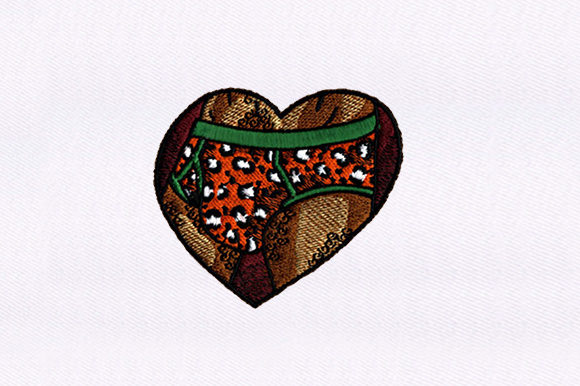
If you have spent any time setting up a booth at a weekend craft fair or scrolling through Etsy listings for handmade gifts, you know that the first three seconds are everything. A customer walks by, sees a table full of tote bags and aprons, and decides in an instant whether to stop. As an experienced embroidery designer, I look at every new machine embroidery design with one question: does this sell itself? Today, we are reviewing the Man Underwear design. This piece falls squarely into the Clothing category but has massive potential as a standalone embroidery accent on home goods and accessories.
First Impressions and Visual Appeal
When you download a digital file like Man Underwear, you aren’t just buying stitches; you are buying a vibe. Based on the title and typical market trends, this design likely leans into humor, novelty, or perhaps a playful take on menswear. In the world of craft fair products, humor is a powerful hook. It breaks the ice. When a customer picks up a tea towel or a cap and sees a witty graphic, they smile. That smile is the moment of connection that leads to a sale.
The visual appeal of this design hinges on its clarity. Is it bold enough to be read from two feet away? Does it feel premium or kitschy? For a handmade product to command a higher price point, it needs to feel intentional. If Man Underwear features clean lines and well-placed details, it can elevate a simple item into a conversation starter. However, if the design relies on tiny text or overly complex shading, it risks looking muddy when stitched out on textured fabrics. The goal is to find that sweet spot where the design is recognizable instantly but detailed enough to show off your stitching quality.
Best Product Applications for Craft Fairs
Not all items display embroidery equally. To maximize your sales at a handmade market, you need to choose the right canvas. Here is how Man Underwear performs across various popular categories:
- Tote Bags and Market Bags: This is arguably the strongest application. A sturdy canvas tote bag provides a large, flat surface that allows the design to breathe. Whether placed centrally or offset as a pocket accent, the contrast between the fabric and the thread will pop. It works perfectly as a funny gift for partners or friends.
- Apron Embroidery: Kitchens are a staple at craft fairs. An apron featuring this design adds personality to a functional item. Ensure the placement is centered on the bib area so it remains visible while the wearer is cooking. The durability of the stitch work here is key, as these items will be washed frequently.
- Tea Towel Embroidery: Lightweight cotton towels are great for impulse buys. However, be cautious with stitch density. On thin fabric, heavy fills can cause puckering. If Man Underwear has large solid areas, consider using a cut-away stabilizer to maintain a crisp finish.
- Embroidered Patches: Turning this design into a sew-on or iron-on patch opens up new revenue streams. Patches can be attached to denim jackets, backpacks, or caps. This is excellent for Etsy sellers who want to offer smaller, lower-priced items alongside larger goods.
- Caps and Hats: Curved surfaces present a challenge. You must ensure the hoop size accommodates the curve without distorting the fabric. A structured baseball cap can handle the design well, but soft beanies may stretch the stitches unevenly.
- Fabric Pouches and Small Goods: For a quick turn-around, small zippered pouches are ideal. They use less thread and time, allowing you to produce more units per hour. This is efficient for batch production.
Production Practicality and Sales Strategy
From a business perspective, ease of production matters. Can you stitch this design quickly and consistently? If the file requires frequent thread changes or delicate trimming, your hourly rate drops. Look at the embroidery file structure. Designs that use standard satin stitches for outlines and efficient fill patterns for backgrounds are easier to manage.
Photography is half the battle for online sales. When creating a printable mockup for your shop, lighting is crucial. Avoid harsh shadows that obscure the texture of the stitches. Show the product being used—hang the tote bag on a door handle, or drape the apron over a chair. This helps buyers visualize the item in their own homes. The Man Underwear design should look sharp in photos, with colors that pop against neutral backgrounds.
Consider your target audience. Who is buying this? Often, novelty clothing-adjacent designs are purchased as gifts. Positioning Man Underwear as a "Funny Gift for Him" or a "Novelty Housewarming Present" can significantly boost conversion rates. Use keywords like commercial embroidery and handmade product in your listings to capture traffic from people searching for unique, non-mass-produced items.
Technical Considerations and Careful Use Notes
Before you commit to mass production, there are technical pitfalls to avoid. Always test the design on scrap fabric that matches the weight and texture of your final product. Fabric texture can hide fine details. If Man Underwear includes small lettering or intricate shapes, these may disappear on thick terrycloth towels or nubby linen blends.
Pay close attention to thread colors. High contrast is your friend. Dark thread on dark fabric will vanish, while bright neon thread on white canvas might look cheap unless that is the specific aesthetic you are going for. Choose threads that complement the fabric but stand out clearly.
Check the hoop size requirements. If the design is large, you may need to re-hoop, which increases labor time and the risk of misalignment. Smaller designs are often more profitable because they require less setup time. Also, inspect the stitch density. Excessive density can make the fabric stiff and uncomfortable, especially on items like aprons that touch the skin. If the design feels too dense, consider reducing the fill percentage in your software before stitching.
Another critical note is the use of the right stabilizer. For woven fabrics like cotton totes, a tear-away stabilizer is usually sufficient. For knits or stretchy materials, a cut-away stabilizer is necessary to prevent distortion over time. Never skip this step, even if you are in a hurry.
Designer’s Checklist for Success
To ensure Man Underwear becomes a bestseller in your booth or online store, follow this practical checklist:
- Test Stitch-Outs: Always run a sample on your actual product fabric. Check for tension issues, bird nests, or loose threads.
- Review Spacing: Ensure there is enough space between elements if the design is complex. Crowded stitches look messy.
- Confirm Commercial Licensing: Before selling finished products, verify that your purchase includes commercial rights. Most reputable digital embroidery file sellers provide this, but it is vital to double-check.
- Create Real Mockups: Don’t rely solely on digital renderings. Photograph real samples. Buyers trust photos of actual physical goods more than computer-generated images.
- Compare Fabric Colors: Test the design on at least three different fabric colors to see which offers the best visual impact.
- Inspect for Tiny Details: Zoom in on the digital file. Are there any isolated pixels or tiny stitches that might not translate well to thread? Simplify if necessary.
In conclusion, Man Underwear has the potential to be a standout item in your collection of design assets. Its novelty factor makes it perfect for gifting, and its versatility allows it to shine on everything from tote bag designs to kitchen accents. By paying attention to production details, choosing the right fabrics, and marketing it effectively, you can turn this digital file into a profitable small shop product. Remember, the success of a handmade item lies not just in the design itself, but in the care and quality you put into bringing it to life.