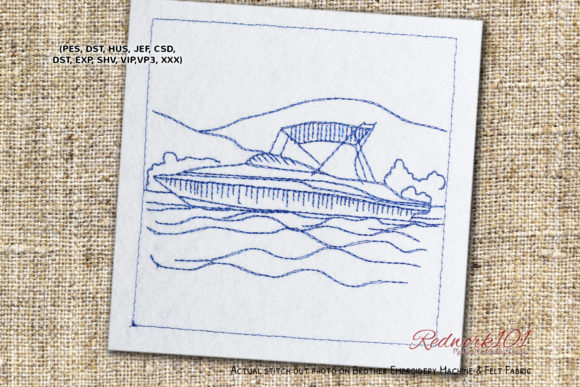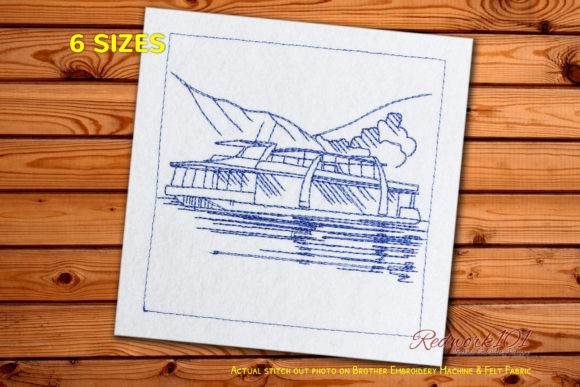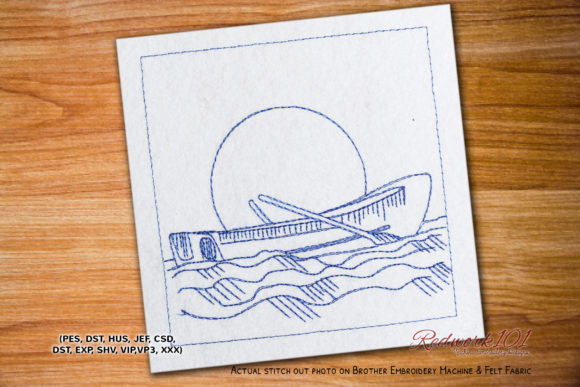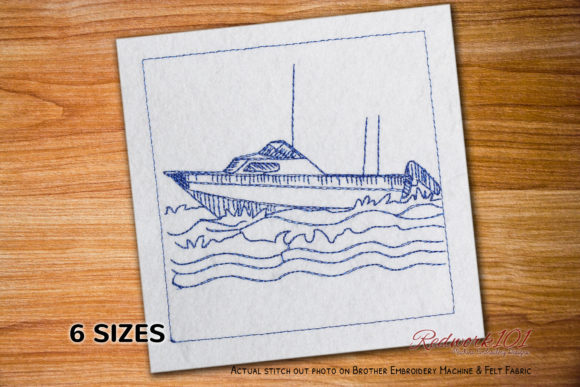
Trawler Boat Redwork Review
As an embroidery designer who has spent years refining digitizing techniques for small-batch apparel, I approach every new design file with a critical eye. We aren't just looking at pixels; we are visualizing thread tension, fabric distortion, and the tactile experience of the finished product. Recently, I evaluated Trawler Boat Redwork for a potential limited-edition sweatshirt drop for a boutique brand. This review breaks down how this specific embroidery file performs in a real-world commercial context, focusing on aesthetic appeal, technical execution, and marketability.
First Impressions: Mood and Aesthetic
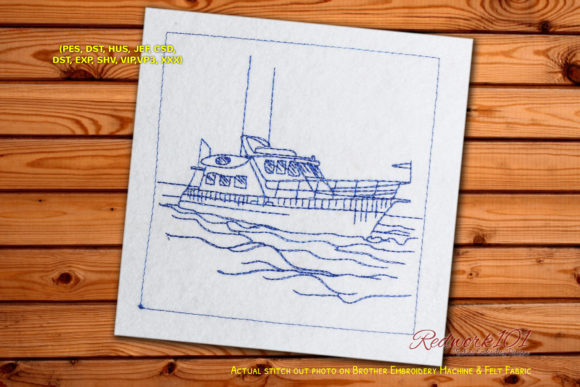
The moment you load the Trawler Boat Redwork design into your software, the character is immediately apparent. The term "Redwork" traditionally implies a simple, often single-color outline style, but modern interpretations add depth through texture and placement. In this case, the design evokes a strong sense of maritime nostalgia mixed with rustic charm. It feels sturdy, reliable, and deeply rooted in heritage aesthetics.
For a boutique brand targeting the coastal lifestyle or outdoor enthusiast demographic, this design hits the right notes. It is not overly ornate or fussy. Instead, it offers a clean, bold silhouette that reads well from a distance. The mood is casual yet polished—perfect for a handmade product that aims to feel premium without being pretentious. When I imagine this on a heather grey crewneck or a deep navy hoodie, the contrast pops beautifully, suggesting a high-quality finished product that customers will want to wear repeatedly.
Application on Sweatshirts and Hoodies
Sweatshirt embroidery presents unique challenges compared to lightweight tees. The fabric is thicker, more textured, and prone to shifting if not stabilized correctly. Here is how Trawler Boat Redwork adapts to various garment types:
- Chest Placement: On a standard heavyweight cotton-poly blend sweatshirt, placing this design on the left chest creates a subtle, branded look. The scale is ideal—it is large enough to be noticed but small enough to remain elegant. It works exceptionally well for custom apparel where understated branding is preferred.
- Oversized Fits: For the popular oversized hoodie trend, this design can be scaled up slightly for a back print or kept modest on the front. The nautical theme pairs naturally with relaxed, cozy silhouettes, enhancing the "lived-in" vibe that many Etsy sellers aim for.
- Pastel and Light Fabrics: If using light pastel fabrics like sage green or dusty pink, the redwork style allows for versatile thread colors. While traditional redwork uses red, using cream or white thread on these pastels softens the look, making it appear more feminine and delicate while retaining the structural integrity of the boat motif.
- Dark Fabrics: On black or charcoal hoodies, bright thread colors will stand out sharply. However, because the design is outlined rather than filled heavily, it avoids the heavy, stiff feeling that sometimes plagues dark garment embroidery.
Technical Evaluation: Stitch Density and Stability
One of the primary concerns for any commercial embroidery project is durability. A design that looks good on day one but unravels after three washes will destroy a small shop product's reputation. The Trawler Boat Redwork design appears to have a balanced stitch density. It does not overfill the canvas, which is crucial for maintaining the soft hand-feel of the sweatshirt fabric.
However, attention must be paid to the stabilizer choice. Because this is a machine embroidery design featuring a structured object (a boat), using a cut-away stabilizer is non-negotiable for long-term durability. Tear-away stabilizers might suffice for temporary display pieces, but they will not hold up to the rigors of daily wear and washing. Additionally, the hoop placement needs to account for the thickness of the sweatshirt seam allowances. Proper hooping technique ensures that the design assets do not pucker the ribbed cuffs or waistbands.
Readability is another key factor. At smaller sizes, fine details can get lost. This design seems to rely on clear lines and distinct shapes, which means it remains legible even when digitized for smaller applications, such as sleeve accents or hat brims. This versatility adds value to the purchase, allowing a digital seller to offer multiple product variations from a single file.
The Optional Box Stitch Detail
A notable feature mentioned in the product description is the optional box stitch. The description notes that the color of the outer box may differ in most designs unless it is part of the core motif. This flexibility is a significant advantage for apparel decorators. It allows for customization based on the garment color. For instance, if the sweatshirt is mustard yellow, skipping the contrasting box color or matching it to the thread creates a more cohesive look. Designers should always check the specific file instructions to see if the box is a separate layer that can be toggled off in the embroidery software. This level of control helps in creating a printable mockup that accurately represents the final item, reducing customer returns due to mismatched expectations.
Brand Identity and Market Appeal
In the crowded marketplace of online craft sales, visual recognition is everything. Trawler Boat Redwork taps into the enduring popularity of nautical and Americana themes. It appeals to a broad audience, from surfers to city dwellers who appreciate a touch of rustic elegance. For an Etsy seller, this design bridges the gap between trendy and timeless.
When integrated into a collection, this design enhances brand identity. It suggests that the brand values craftsmanship, tradition, and quality materials. Customers are willing to pay a premium for handmade products that tell a story. The redwork style, with its roots in folk art, communicates authenticity. Furthermore, the design’s simplicity makes it highly photogenic. In lifestyle product photography, the clean lines of the boat draw the eye without overwhelming the model or the setting, making it easier to create engaging content for social media marketing.
Practical Considerations for Production
Before moving to full-scale production, there are several practical steps to take. First, verify the hoop size requirements. Ensuring the design fits within your machine’s maximum hoop dimensions prevents costly errors. Second, test the thread colors on the actual fabric you intend to use. Screen colors can be deceiving, and seeing the physical thread against the sweatshirt material is essential for judging contrast.
Also, consider the fabric texture. Loopback fleece catches thread differently than smooth jersey. A test run on a scrap piece of the exact garment material will reveal if any adjustments to needle type or thread tension are needed. Finally, remind your customers about care instructions. Even the best embroidery file requires proper washing to maintain its appearance. Including a care tag that advises washing inside out and avoiding high heat extends the life of the finished product.
Conclusion
Trawler Boat Redwork is a versatile, aesthetically pleasing design that holds up well under professional scrutiny. Its balance of detail and simplicity, combined with its adaptability to various garment types, makes it a strong candidate for boutique collections. Whether used for a cozy winter hoodie or a springtime t-shirt, it delivers a premium look that resonates with consumers seeking quality and style. As always, ensure you review the specific technical specifications of the file, such as stitch count and format compatibility, before integrating it into your workflow. But visually and commercially, this design is a solid investment for any creative entrepreneur looking to elevate their transportation-themed apparel line.