Food Processor Redwork Review
As an embroidery designer who spends hours evaluating digitizing quality and aesthetic appeal for boutique collections, I am always on the lookout for designs that balance charm with commercial viability. Recently, I came across a product on Creative Fabrica called Food Processor Redwork. At first glance, it seemed like a niche kitchen-themed design, but upon closer inspection of its versatility, I realized it has significant potential for apparel decorators, handmade business owners, and Etsy sellers looking to expand their seasonal offerings.
This review is based on my professional assessment of how this machine embroidery design might perform when applied to various garments and accessories. Whether you are creating a cozy sweatshirt line or adding unique touches to tote bags, understanding the visual personality and technical requirements of a design is crucial before committing to production.
First Impressions: Visual Personality and Mood
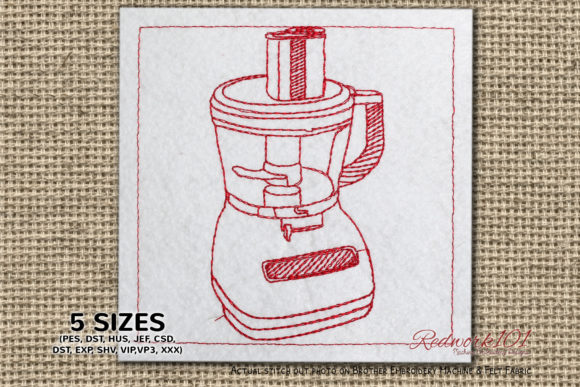
The term "Redwork" traditionally implies simple, often monochromatic stitching that relies on clean lines and bold shapes rather than complex shading. When I reviewed the Food Processor Redwork file, the immediate impression was one of rustic charm mixed with playful modernity. The design features a stylized representation of a food processor, which fits perfectly into the "Kitchen" category but translates surprisingly well to lifestyle apparel.
Visually, the design feels premium yet approachable. It avoids being overly cute or childish, making it suitable for a broader demographic. For a boutique brand aiming for a trendy, farmhouse-style aesthetic, this design offers the right amount of detail without becoming cluttered. The decorative strength lies in its simplicity; it allows the fabric texture and garment cut to shine while providing a clear focal point. It is not minimal in a boring sense, but rather minimal in a sophisticated way that appeals to customers who appreciate thoughtful, handcrafted details.
Application on Apparel and Accessories
One of the primary reasons I evaluate embroidery files is to determine where they look best. Here is how I envision Food Processor Redwork performing across different products:
- Sweatshirt Embroidery: This is perhaps the strongest application. Placing this design on the chest of a neutral-colored crewneck sweatshirt creates an instant statement piece. The contrast between the soft fleece and the structured stitches adds depth. It works exceptionally well for autumn and winter collections, pairing nicely with earth tones like olive, mustard, or cream.
- Hoodie Design: For a hoodie, I would consider a smaller placement on the left sleeve cuff or a centered back design. A chest placement can sometimes feel too crowded on a hoodie due to the bulk of the fabric and drawstrings, but if scaled correctly, it maintains a clean, urban look.
- T-Shirt Embroidery: On cotton tees, the design pops beautifully. It is ideal for custom apparel orders where clients want something unique but not overwhelming. It pairs well with vintage-wash fabrics to enhance the retro vibe.
- Tote Bag Design: As a digital embroidery file intended for practical use, this design is perfect for canvas tote bags. It reinforces the "kitchen" theme while serving as a functional accessory for grocery shopping or beach days. It is a great low-cost entry point for small shop products.
- Denim Jackets: For the creative entrepreneur looking to upcycle denim, this design adds a touch of whimsy to the back yoke or pocket area of a jean jacket. It bridges the gap between rugged denim and delicate needlework.
Stylistic Versatility
The beauty of redwork styles is their adaptability to thread colors. While traditionally done in red, using navy, black, white, or even metallic threads can completely change the mood. On pastel hoodies, a white thread version looks soft and ethereal. On dark garments, a bright contrasting color ensures the design remains legible and vibrant. This flexibility is key for maintaining visual consistency across a diverse product line.
Technical Considerations and Practical Notes
From a technical standpoint, there are important factors to consider before sending this design to the production floor. The product description notes that the Box Stitch shown in picture is optional and that the color of outer Box is different color in most of the designs unless it is part of the design itself. This suggests a high degree of customization is built into the file structure, allowing embroiderers to skip certain elements to reduce stitch count or simplify the look.
However, because specific technical details such as exact stitch count, hoop size, and machine compatibility are not explicitly detailed in the standard listing, I strongly advise confirming these details directly from the Creative Fabrica product page before purchasing for commercial use.
- Test on Scrap Fabric: Always run a test stitch-out on a scrap piece of the same fabric you intend to use. Fleece and knit fabrics behave differently than woven cotton, and you need to ensure the design does not pucker or distort.
- Check Stabilizer Choice: For stretchy fabrics like sweatshirt material, a tear-away or cut-away stabilizer is essential to maintain stability during stitching. The density of the redwork style usually requires good support to prevent shifting.
- Inspect Stitch Density: Review the digitizing to ensure the stitch density is appropriate for the fabric weight. Too dense, and the fabric may become stiff; too sparse, and the background fabric may show through.
- Confirm Hoop Size: Ensure your machine’s hoop size accommodates the design dimensions. If the design is large, you may need to reposition it or use a larger hoop frame.
- Review Licensing: Before selling finished apparel, verify the licensing terms provided by Creative Fabrica. Most digital embroidery files allow for commercial use of the finished physical product, but restrictions may apply to reselling the digital file itself.
Where to Use Carefully
While Food Processor Redwork is versatile, there are areas where caution is advised. Avoid placing dense stitch areas on highly curved surfaces like the shoulder seam of a t-shirt, as this can lead to distortion. Be mindful of tiny lettering if the design includes text; ensure it is large enough to be readable after washing. Additionally, on ribbed fabric, the elasticity can cause the embroidery to twist over time, so reinforce these areas with additional stabilizer or choose a flatter panel for placement.
Impact on Brand Identity and Value
Incorporating well-digitized designs like this into your inventory does more than just add a graphic to a shirt. It enhances your brand identity by signaling attention to detail and quality. Customers associate professional embroidery with higher perceived value, which can justify premium pricing. For an Etsy seller or small business owner, unique designs help differentiate your shop from mass-produced competitors.
Furthermore, high-quality embroidery photographs beautifully. A crisp, well-placed design on a neutral sweatshirt creates compelling content for social media graphics and printable mockups. This visual appeal drives engagement and trust, encouraging buyers to complete their purchase. The finished product becomes a tangible representation of your craftsmanship, fostering customer loyalty and repeat business.
Final Thoughts
The Food Processor Redwork design is a solid addition to any embroidery library, particularly for those focusing on kitchen-themed, rustic, or lifestyle apparel. Its clean lines and adaptable nature make it suitable for a wide range of projects, from cozy winter wear to casual summer totes. By paying close attention to fabric selection, stabilizer choice, and proper testing, you can leverage this design to create profitable, professional-looking goods.
For embroidery designers and boutique owners seeking to expand their commercial embroidery offerings with character and charm, this Creative Fabrica find warrants serious consideration. Just remember to verify all technical specifications and licensing rights to ensure a smooth production process. With careful execution, this design can become a staple in your seasonal collections, appealing to crafters, handmade enthusiasts, and everyday consumers alike.