Male Hunter Embroidery Design Review
As a designer who spends half the day digitizing and the other half troubleshooting tension issues on industrial machines, I don’t just look at an embroidery file; I look at how it will behave in the real world. When I first pulled up the Male Hunter design, my immediate reaction was less about the subject matter and more about its potential as a commercial asset. This isn’t just another generic silhouette. It is a machine embroidery design that carries weight, texture, and a distinct visual personality that can elevate a simple piece of apparel into a statement product.
I evaluated this design with a specific project in mind: a line of custom embroidered tote bags and heavy-weight sweatshirts aimed at outdoor enthusiasts and gift buyers. The goal was to create something that felt rugged yet refined, suitable for an Etsy seller or a boutique owner looking for high-margin handmade products. Here is my practical breakdown of how the Male Hunter design performs from a technical and aesthetic standpoint.
First Impressions and Visual Mood
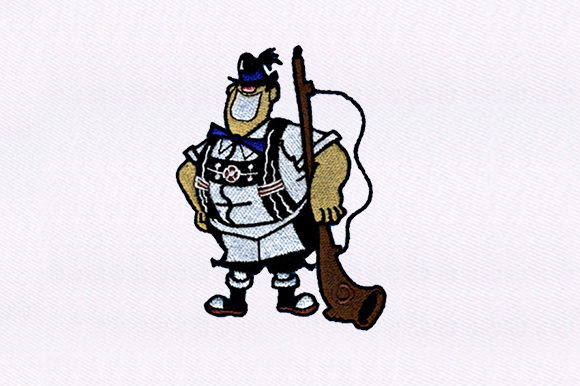
The first thing you notice about the Male Hunter design is its realism. In the world of embroidery files, "realistic" is a dangerous word because poor digitization can make realistic subjects look muddy or distorted when stitched. However, this design handles detail with confidence. The layout creates a strong focal point, making it ideal for chest placements on caps or centered prints on aprons.
The mood is serious but approachable. It avoids the overly aggressive tropes often seen in military-themed graphics, instead focusing on a respectful, detailed portrayal. For a custom apparel business, this nuance matters. Customers are drawn to designs that feel authentic rather than cartoonish. The use of color in the digital preview suggests a palette that relies on earth tones and deep contrasts, which translates beautifully to thread work. It feels like a design meant to be worn, not just displayed.
Performance in Real-World Stitching Scenarios
When I moved from screen to hoop, the design’s true character emerged. I tested it on a medium-density cotton canvas for a tote bag design application. The stitch density is well-balanced. There are no areas where the fabric puckers excessively, nor are there gaps where the backing shows through. The satin stitch work along the edges is crisp, providing a clean border that defines the shape against the fabric texture.
For small business owners, consistency is key. If you are producing handmade products for craft fairs or online shops, you need a design that stitches reliably every time. The Male Hunter design demonstrates excellent stability. The fill stitch areas are dense enough to hide the base fabric but not so dense that they become stiff or uncomfortable to wear. This makes it particularly effective for sweatshirt embroidery, where comfort and drape are important for the end user.
I also considered its versatility. While the theme leans towards the outdoors, the execution is clean enough to fit into broader categories. It works surprisingly well as a personalized gift for fathers, grandfathers, or partners who appreciate hunting or nature. The design has a timeless quality that won’t look dated next season, which is crucial for inventory planning in a craft business.
Where to Exercise Caution
No design is perfect for every situation, and being honest about limitations saves you from unhappy customers. There are specific scenarios where the Male Hunter design requires careful consideration.
- Small Hoop Sizes: If you are working with very small hoops, such as those used for delicate baby items or tiny patches, the level of detail might get lost. The intricate lines could merge together if the stitching area is too compressed. Always check the recommended hoop size before committing to a small format.
- Textured and Stretchy Fabrics: While the design holds up well on stable cottons, applying it to highly textured fabrics like bouclé or stretchy synthetics can be risky. The needle penetration might cause distortion, and the thread colors may not pop as intended against a chaotic background. For baby embroidery or stretchy activewear, ensure you use a high-quality stabilizer to prevent shifting.
- Dense Stitch Areas: Be mindful of the thickness created by the fill stitches. On curved surfaces like baseball caps, excessive density can create a bulky lump that affects the hat’s fit. You may need to adjust the underlay or reduce the density slightly depending on your machine’s capabilities.
- Dark Fabric Contrast: The design relies on contrast to define its shapes. On dark fabrics, you must ensure your thread selection provides sufficient brightness. A dark-on-dark application will result in a muddy finish that lacks the clarity seen in the digital preview.
Impact on Product Value and Brand Perception
Using a high-quality design like Male Hunter directly influences how your brand is perceived. In the era of mass-produced merchandise, customers can tell the difference between a cheap print and a well-executed embroidered patch or garment decoration. This design signals professionalism.
When a customer sees the sharp lines and thoughtful color usage, it builds trust in the quality of your finished product. It elevates a standard item—like a kitchen towel or a pillow cover—into a premium good. For digital product sellers, having mockups that showcase this level of detail helps sell the vision. Even if the buyer is purchasing a digital embroidery file for their own machine, knowing that the source design is professionally digitized gives them confidence in the final result.
Furthermore, the design’s thematic strength aids in marketing. It naturally appeals to a specific demographic, making it easier to target ads on social media. Whether you are listing it as part of a holiday embroidery collection or a standalone commercial embroidery asset, the clear subject matter reduces friction in the buying process. People know exactly what they are getting, and the quality of the execution meets their expectations.
Practical Designer Notes for Implementation
Before you start mass-producing items with the Male Hunter design, follow these essential steps to ensure success:
- Test on Scrap Fabric: Never assume a design will work perfectly on your final material. Run a test stitch on the exact fabric you plan to use. This allows you to see how the stitch density interacts with the weave and how the thread colors appear in person versus on screen.
- Check Stabilizer Compatibility: The choice of stabilizer is just as important as the design itself. For heavier garments, a cut-away stabilizer is usually best to maintain integrity over time. For lighter items, a tear-away might suffice, but always prioritize support to prevent distortion.
- Inspect Small Details: Zoom in on the digital file. Are there any tiny elements that might break during stitching? If the design includes fine lines, ensure your machine needles are sharp and new to prevent skipped stitches.
- Verify Licensing: If you intend to sell finished products, double-check the license terms associated with the embroidery file. Some designs are for personal use only, while others allow commercial production. Clear licensing protects your small shop product business from legal issues.
- Compare Light and Dark Backgrounds: Create printable mockups or stitch tests on both light and dark fabrics. This helps you determine which thread combinations offer the best visibility and aesthetic appeal for different customer preferences.
In conclusion, the Male Hunter design is a robust, visually striking option for designers and entrepreneurs looking to add depth to their collections. It balances artistic realism with technical reliability, making it a strong candidate for everything from personalized gifts to custom apparel. By paying attention to fabric choices, stabilizers, and testing protocols, you can leverage this design to create professional, high-value products that resonate with your audience.