Mother Nature Embroidery Design Review
As an experienced embroidery designer who spends weekends hunched over a table at local craft fairs, I know that first impressions are everything. When a customer walks by your booth, they have about three seconds to decide if your handmade products are worth stopping for. That is why I am reviewing the Mother Nature machine embroidery design with a critical eye toward commercial viability, visual impact, and production practicality. This review focuses on how this digital asset translates from a screen into a tangible, sellable item for the handmade market.
First Impressions and Visual Appeal
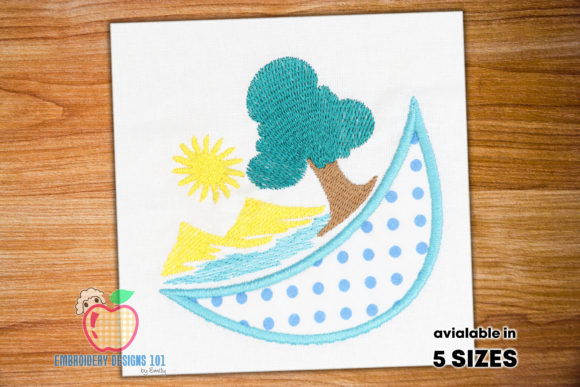
The title "Mother Nature" immediately evokes feelings of organic beauty, rustic charm, and earthy elegance. In the context of a physical booth, this design needs to balance being decorative without looking cluttered. Based on the file formats provided—ranging from industry standards like PES and DST to more niche formats like XXX and VP3—it appears to be a versatile vector-based or digitized asset designed for broad compatibility. However, the true test lies in its stitch work.
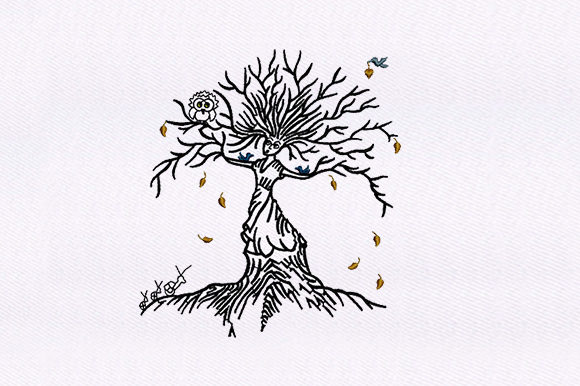
When I imagine this design on a display rack, it feels best suited for a modern farmhouse or botanical aesthetic. It likely features flowing lines, leaf motifs, or floral elements that suggest growth and natural beauty. For an Etsy seller or boutique maker, this theme taps into a perennially popular market segment. The key here is clarity. If the design includes intricate details, will it hold up when stitched onto textured fabric? A successful craftr fair product must read clearly from three feet away. If the "Mother Nature" motif relies on tiny text or hairline stitches, it may disappear on a busy tote bag or apron.
Product Applications and Best Sellers
To maximize sales, you need to place the right design on the right substrate. Here is how the Mother Nature embroidery file performs across various high-demand items:
- Tote Bags and Market Bags: This is arguably the strongest category for this design. A canvas tote with a well-executed botanical print screams "handmade quality." Because totes are large, flat surfaces, they allow the design to breathe. Customers love these as gifts, making them perfect for impulse buys at weekend markets. Ensure the hoop size accommodates the center chest area or the full width of the bag for maximum visibility.
- Aprons and Tea Towels: Kitchen items are classic craft fair staples. An apron embroidery featuring nature themes fits perfectly in the home decor niche. Similarly, tea towel embroidery offers a lower price point entry for buyers. However, tea towels have a rougher weave than cotton canvas. You must ensure the stitch density is appropriate so the threads do not sink into the fabric texture, losing definition.
- Embroidered Patches and Caps: Smaller items require tighter digitizing. If the design has small lettering or fine details, it may lose clarity when scaled down for a cap front or a back-of-neck patch. Test this carefully. A small shop product like a hat can be a high-margin item if the design looks crisp and professional.
- Pillow Covers and Home Decor: For a higher-ticket item, consider larger pillow covers. The "Mother Nature" theme lends itself well to living room aesthetics. These items photograph beautifully for online listings, serving as excellent printable mockups to attract clicks before the customer even sees the physical stock.
Production Practicalities and Technical Checks
Before committing to a batch run for a busy Saturday market, several technical steps are non-negotiable. As a professional, I never skip the testing phase. Here is what you need to verify with the digital embroidery file:
- Stitch Density and Fabric Texture: Check the stitch count per square inch. If the design is too dense, it will pucker lightweight fabrics like thin cotton or linen. If it is too sparse, it may look unfinished on heavier materials like denim or fleece. Always test on scrap fabric that matches the weight and texture of your final product.
- Thread Contrast and Color: The success of any machine embroidery design hinges on thread choice. On dark fabrics, you need bright, saturated colors to make the design pop. On light fabrics, pastel or tonal threads create a subtle, premium look. Avoid using colors that blend too closely with the fabric unless the design has distinct outlines.
- Stabilizer Selection: Using the wrong stabilizer can ruin a good design. For stretchy knits or unstable woven fabrics, a cut-away stabilizer is often necessary to prevent shifting. For stable wovens, a tear-away might suffice. Incorrect stabilization leads to misaligned stitches, which kills the perceived value of your finished product.
- Scalability and Detail Retention: Can the design be resized without losing integrity? Many design assets lose their character when shrunk down. If you plan to offer the same design on both a large tote and a small pouch, ensure the digitization allows for scaling. Tiny details often become muddy blobs when reduced in size.
Selling Strategy and Customer Engagement
How does this design help you sell? In a crowded marketplace, differentiation is key. The "Mother Nature" theme appeals to customers who value sustainability, mindfulness, and artisanal quality. To leverage this, your booth display should emphasize the handmade aspect. Show the embroidery machine in action if possible, or display close-up shots of the stitching quality.
For online sellers, such as those on Etsy, high-quality images are crucial. Use the design to create lifestyle photos—a tote bag filled with fresh flowers, or an apron worn while gardening. This helps the buyer visualize the craft fair product in their own life. The emotional connection to nature often drives purchasing decisions, making this a strong candidate for gift-giving seasons like Mother’s Day or Earth Day.
However, be mindful of the competition. Since this is a common theme, your execution must be flawless. Consistent tension, clean backing removal, and precise trimming are what separate a amateur project from a professional commercial embroidery offering. Customers can spot sloppy work instantly, and it damages brand trust.
Final Verdict for Craft Fair Success
The Mother Nature embroidery design holds significant potential for the handmade market, particularly for sellers focusing on home goods, apparel, and gifts. Its versatility allows it to shine on tote bags, aprons, and kitchen textiles, provided the technical execution is sound. Remember to check the specific file formats (10O, ART, CND, DSB, DST, DSZ, EXP, HUS, JEF, PCS, PEC, TAP, VIP, VP3, XXX) to ensure compatibility with your equipment. Most importantly, confirm your commercial licensing rights before mass-producing items for sale.
If you treat this design with the respect it deserves—testing thoroughly, choosing complementary fabrics, and presenting it professionally—you will find it to be a reliable bestseller. It captures a timeless aesthetic that resonates with buyers looking for warmth and authenticity in their handmade purchases. Happy stitching, and may your booth be packed!