Paddle Boating Embroidery Design Review
As an embroidery designer who has spent years digitizing patterns and testing them on everything from stiff denim to delicate linen, I approach every new file with a critical eye. We aren’t just looking for pretty pictures; we are looking for viable assets that translate well into physical products. Today, I am reviewing the Paddle Boating design, a piece categorized under Beach themes that promises a specific aesthetic for small business owners and merch creators. This review focuses on its utility for branded patches, staff uniforms, and high-margin handmade goods.
First Impressions and Visual Personality
The title "Paddle Boating" immediately sets a tone of leisure, summer nostalgia, and outdoor activity. When evaluating a digital embroidery file, the first step is visualizing how it sits within a brand ecosystem. Does it feel premium? Playful? Rustic?
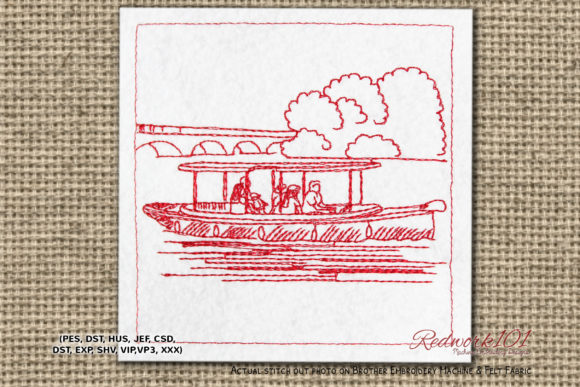
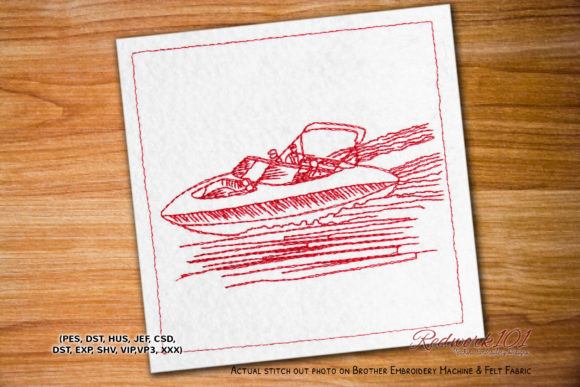
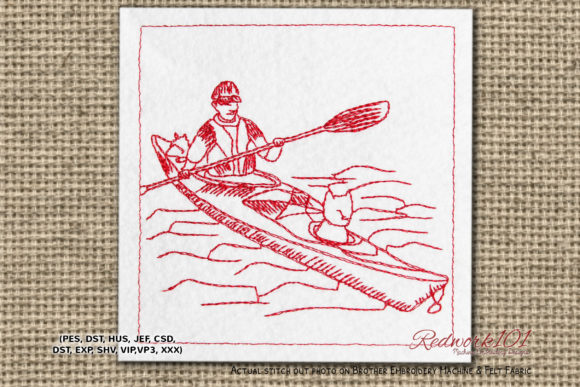
Paddle Boating strikes a balance between playful and classic. It suggests a relaxed vibe without being overly childish, which makes it versatile for a wide range of commercial applications. For a boutique selling summer essentials or a local café promoting a riverfront location, this design offers immediate recognition. The imagery likely centers on the act of paddling, providing a strong focal point that works well as a standalone logo or a complementary graphic on larger garments. The description notes an optional Box Stitch, which adds a structural element to the design. This detail is crucial because it gives the designer control over the final look—whether they want a clean, minimalist finish or a more textured, dimensional appearance.
Real-World Business Applications
In my experience, the most successful embroidered products are those that tell a story. Paddle Boating tells a story of escape and recreation. Here is how I see this design performing in real-world small business scenarios:
- Embroidered Patches: This is perhaps the strongest use case. The design’s natural framing (potentially aided by the box stitch) makes it ideal for iron-on or sew-on patches. These can be sold as accessories to hikers, boaters, or beachgoers, or used as branding elements for outdoor clubs.
- Cafe and Bakery Merch: Imagine a coffee shop near a lake using this design on their apron embroidery. It reinforces their location-based identity and creates a cohesive brand experience for customers who appreciate local charm.
- Tote Bag Design: A canvas tote bag featuring Paddle Boating is a staple item for craft fairs and Etsy sellers. It appeals to shoppers looking for functional yet stylish bags that reflect their lifestyle.
- Cap Embroidery: The design’s composition likely lends itself well to cap fronts. A smaller, simplified version could work beautifully on structured baseball caps, offering a subtle nod to summer activities without overwhelming the garment.
- Staff Uniforms: For tour operators, kayak rental shops, or marine supply stores, this design serves as a professional yet approachable uniform accent. It helps staff members embody the brand’s values of adventure and service.
Brand Identity and Customer Trust
When you choose a machine embroidery design, you are investing in your brand identity. High-quality embroidery signals attention to detail and craftsmanship. Using a design like Paddle Boating correctly can enhance customer trust by showing that your business cares about aesthetics and quality. It elevates a simple t-shirt into a piece of custom apparel that customers are proud to wear. Furthermore, consistent use of such thematic designs across different touchpoints—caps, totes, and tags—builds visual consistency, making your brand more recognizable in a crowded marketplace.
Technical Considerations and Potential Pitfalls
While the concept is strong, execution is everything. As a designer, I must warn you about several areas where this design might face challenges if not handled with care.
Size and Detail Limitations
One of the most common mistakes small business owners make is scaling a design too small. If Paddle Boating contains fine lines or intricate details, it may lose definition when reduced to the size of a standard chest logo or a tiny patch. Always test the design at its intended production size. If the paddle blades or water ripples become muddy blobs, you need to simplify the digitization or choose a different placement.
Fabric and Texture Compatibility
Embroidery interacts differently with various fabrics. On a smooth cotton tote bag, the stitches will lay flat and crisp. However, on a textured fabric like a heavy-duty work shirt or a fuzzy fleece, the design may get lost. Be mindful of fabric texture when selecting materials for your merchandise. Additionally, dark uniforms require careful thread color selection. Ensure there is sufficient contrast between the thread colors and the base fabric to maintain legibility.
Stitch Density and Hoop Size
Check the stitch density of the file. High-density fills can make a patch stiff and uncomfortable, especially if it is going to be worn on the back of a hat or the sleeve of a jacket. Conversely, low-density areas might show the backing material through, ruining the professional look. Confirm the recommended hoop size before starting production. If the design requires a large hoop, ensure your machine and your product dimensions align to avoid trimming issues.
Practical Designer Notes for Production
To ensure the best results with Paddle Boating, follow these practical steps before committing to bulk production:
- Test in Black and White: Convert the design to monochrome to check its silhouette. If the shape is unclear without color, the design lacks strong foundational structure.
- Review Thread Color Contrast: The description mentions that the outer box color can be skipped or changed. Use this flexibility to optimize contrast. If your primary fabric is navy blue, avoid using dark blue threads for the main elements.
- Inspect Spacing: Look closely at the spacing between stitches. Crowded stitches can cause puckering, while sparse stitches can look unfinished. Adjust tension settings on your machine as needed.
- Use Proper Stabilizer: The choice of stabilizer is critical. For stretchy knit fabrics, use a cut-away stabilizer to prevent distortion. For woven fabrics like canvas totes, a tear-away might suffice, but a wash-away provides the cleanest finish.
- Create a Printable Mockup: Before embroidering actual inventory, create a printable mockup. Place the design digitally onto images of your products. This helps clients visualize the final result and allows you to catch errors early.
- Confirm Commercial Licensing: Always verify the licensing terms of the digital embroidery file. Ensure you have the right to use the design for commercial purposes, such as selling finished goods.
Final Verdict
Paddle Boating is a solid asset for any business looking to tap into the summer and outdoor market. Its versatility allows it to function effectively as an embroidered patch, a cap design, or a tote bag accent. By paying attention to technical details like stitch density, fabric choice, and color contrast, you can transform this digital file into a high-value physical product.
For small business owners, Etsy sellers, and apparel decorators, this design offers a blend of aesthetic appeal and commercial viability. It supports a handmade product narrative while maintaining a professional finish. Just remember to test thoroughly, respect the limitations of embroidery technology, and always prioritize the customer experience in your final presentation. With careful execution, Paddle Boating can become a signature element of your brand’s design assets, driving engagement and sales for seasons to come.