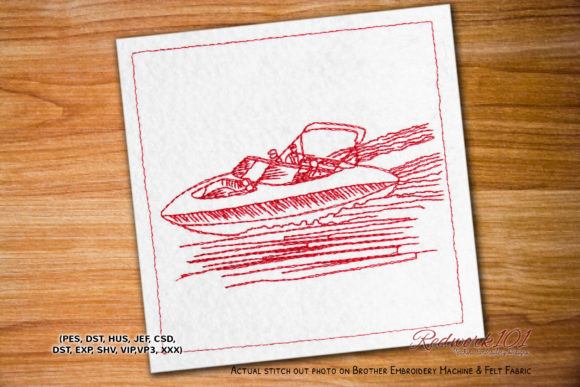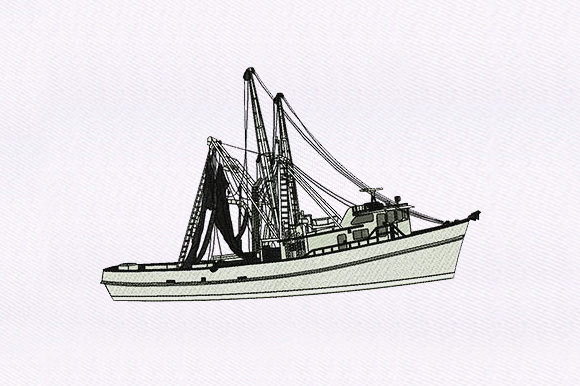
Ship Liner Embroidery Design Review
When I sit down to evaluate a new machine embroidery design, I am rarely looking for just another pretty picture. As a designer who regularly produces assets for clients and small businesses, I need to know if a file is structurally sound, visually impactful, and commercially viable. Today, I am breaking down the Ship Liner design, an embroidery piece that carries a distinct nautical vibe. My goal is to determine whether this file deserves a spot in your digital library or if it should be left on the shelf.
The first thing that strikes you about Ship Liner is its mood. It feels crisp, maritime, and slightly vintage. The layout suggests a clean aesthetic that works well with themes of travel, summer, and coastal living. For designers specializing in beachwear or outdoor apparel, this design offers a strong visual anchor. However, before we talk about aesthetics, we must talk about the practicalities of stitching it out.
Visual Personality and First Impressions
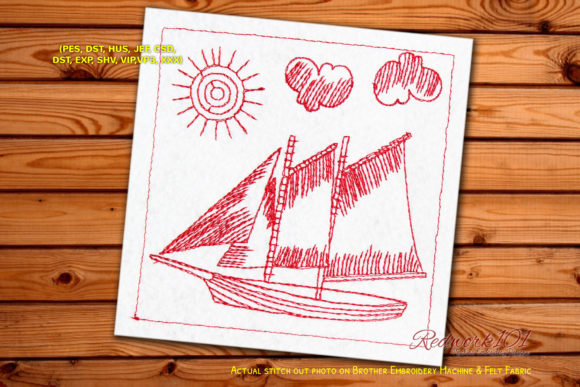
Ship Liner exudes a sense of adventure without being overly cluttered. In my experience, designs that try to do too much often fail when translated into thread. This design, however, seems to understand the balance between detail and readability. The shapes appear bold enough to hold their own on a heavy cotton canvas but refined enough to look elegant on a delicate baby onesie.
The color palette implied by the name and typical nautical themes usually involves deep blues, whites, and perhaps touches of red or tan. When reviewing such files, I always think about how the thread colors will interact with different fabrics. A design like Ship Liner relies heavily on contrast. If the stitches are too close together or the negative space is poorly planned, the "liner" aspect of the ship could get lost in a sea of thread. From what I can gather, the spacing allows the eye to rest, which is crucial for high-end custom apparel.
Real-World Application: The Tote Bag Test
To truly judge an embroidery file, you have to imagine it on a product. Let’s say I am preparing a batch of custom tote bags for an upcoming craft fair. These bags are meant to be sold as everyday carryalls for beachgoers. I pull up Ship Liner and place it on the front center of a natural jute bag.
The immediate reaction is positive. The design fits comfortably within standard hoop constraints, allowing for a prominent placement that doesn't overwhelm the bag's structure. It feels like a tote bag design that customers would actually want to buy. It signals quality. When a buyer sees a well-executed nautical motif on a sturdy bag, they perceive value. They see a handmade product that has been cared for during production. This perception is vital for any Etsy seller or small shop owner trying to compete in a crowded market.
I also envision this design on a heavyweight sweatshirt for autumn outings near the coast. The robustness of the ship motif pairs well with the texture of fleece or wool blends. It adds a layer of personality to a basic garment, transforming it from a plain pullover into a statement piece. This versatility is exactly what makes a digital asset valuable. You aren't just selling one image; you are selling multiple potential revenue streams.
Apparel and Home Decor Potential
Beyond bags and sweatshirts, Ship Liner has interesting applications in home decor. Imagine this design stitched onto a linen pillow cover for a nursery or a guest bedroom. The nautical theme is timeless, appealing to parents who want something gender-neutral yet thematic. Alternatively, placing it on a kitchen towel or tea towel brings a cheerful, seaside energy to a modern farmhouse kitchen. These items make excellent personalized gift options, especially during the holiday season or for housewarming presents.
For those creating digital product previews or printable mockups, this design provides a versatile template. You can showcase it on various backgrounds to demonstrate its adaptability. A dark background might highlight white satin stitches beautifully, while a light background could show off the depth of navy threads. Testing these variations helps you create compelling marketing materials that attract buyers.
Technical Considerations and Stitching Clarity
No matter how beautiful a design looks on screen, it must stitch out cleanly. This is where many designers cut corners. With Ship Liner, I am concerned with stitch density and underlay. If the design is too dense, it can become stiff and uncomfortable, particularly on garments worn directly against the skin, such as baby embroidery projects. Conversely, if it is too sparse, the fabric may pucker or show through the back.
I advise all makers to check the stitch density carefully. Look for areas where large fill stitches meet intricate details. Are there enough jump stitches trimmed? Is the satin stitch work smooth, or does it look jagged? These technical details separate professional-grade files from amateur attempts. A high-quality commercial embroidery file should run smoothly on most modern machines without constant trimming or rehooping.
Another critical factor is the hoop size. Most designs require testing in the specific hoop dimensions they were created for. If Ship Liner is optimized for an 8x10 hoop, attempting to scale it down significantly might result in lost details. Small lettering or thin lines might disappear entirely. Always verify the recommended hoop size before committing to a production run.
Where to Use Ship Liner Carefully
While Ship Liner is versatile, it is not a universal solution. There are scenarios where this design might struggle. For instance, applying it to highly textured fabrics like bouclé or thick chenille can obscure the fine details of the ship. The thread gets lost in the fabric nap, resulting in a muddy appearance.
Similarly, stretchy fabrics like jersey knits require extra caution. Without proper stabilization, the tension of the embroidery can cause the fabric to distort, warping the shape of the ship. Always use a reliable stabilizer appropriate for the fabric type. Tear-away stabilizers work well for wovens, while cut-away stabilizers are necessary for knits to prevent distortion over time.
Detailed corners and tiny accents are also vulnerable points. If the design includes very small elements, test them on scrap fabric first. On curved surfaces like caps or hats, the design may need to be adjusted or digitized specifically for the curve. A flat design placed on a curved surface can look distorted if not accounted for during the digitizing process.
Testing Before Production
Before you start producing finished products for sale, I strongly recommend running a test stitch-out. Inspect the design in black and white to check for contrast issues. Look closely at the edges of the shapes to ensure they are sharp. Check for any loose threads or unnecessary jumps. This step saves time, money, and frustration.
Furthermore, consider the end-user. If you are making holiday gifts or wedding gifts, the presentation matters. A clean, crisp embroidery job enhances the perceived value of the gift. Customers trust brands that deliver consistent quality. By taking the time to test Ship Liner, you build that trust.
Final Verdict
Ship Liner is a strong candidate for designers looking to add nautical flair to their collections. Its clear visual language and adaptable nature make it suitable for a wide range of projects, from craft business merchandise to personal keepsakes. However, success depends on proper execution. Pay attention to fabric choice, stabilizer selection, and stitch quality.
For creative entrepreneurs and makers, this design offers a solid foundation for building a cohesive brand identity around coastal themes. Whether you are updating your Etsy listings or expanding your physical store inventory, Ship Liner provides the visual punch needed to capture attention. Just remember: the best designs are those that are tested, trusted, and tailored to the needs of your customer. By approaching this file with a critical eye and a practical mindset, you can turn a simple digital file into a profitable, beloved product.