Schooner Sailing Ship Lineart Review
As an embroidery designer who has spent years turning digital concepts into tangible brand assets, I look at every new design file with a critical eye. We aren't just looking for pretty pictures; we are looking for commercial viability, stitch efficiency, and brand alignment. Today, I am reviewing the Schooner Sailing Ship Lineart, a design that sits squarely in the nautical and coastal aesthetic space. For small business owners, Etsy sellers, and apparel decorators, understanding how this specific design performs is crucial before adding it to your product catalog or using it for client work.
This review focuses on the practical application of the Schooner Sailing Ship Lineart as a machine embroidery design. We will explore its suitability for branded patches, staff uniforms, tote bags, and custom apparel, while highlighting the technical considerations that separate a good design from a great one.
First Impressions: The Visual Personality of Schooner Sailing Ship Lineart
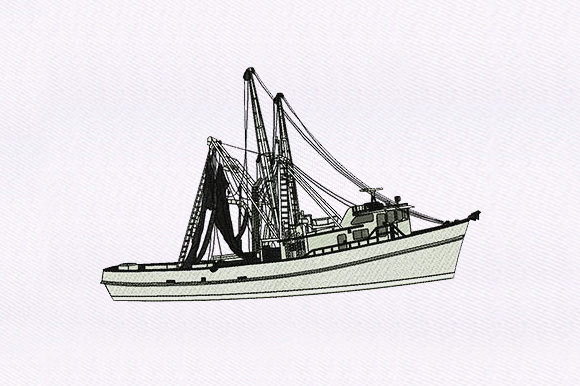
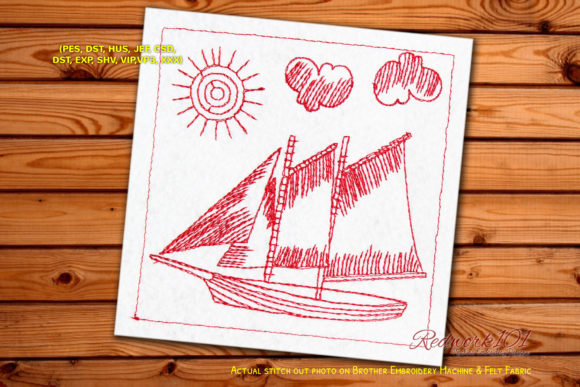
When you first load the Schooner Sailing Ship Lineart into your digitizing software, the immediate takeaway is its clean, linear approach. Unlike dense fill designs that rely heavily on texture, line art emphasizes silhouette and structure. This gives the design a classic, almost vintage feel. It feels professional yet approachable, striking a balance between rustic charm and modern minimalism.
The "Lineart" designation suggests that the design relies on outlines rather than solid blocks of color. This is significant for brand identity. A line-art ship evokes a sense of tradition, exploration, and craftsmanship. It works exceptionally well for businesses that want to project reliability and heritage, such as local bakeries with a coastal theme, boutique florists, pet brands with a maritime vibe, or creative studios specializing in handmade products.
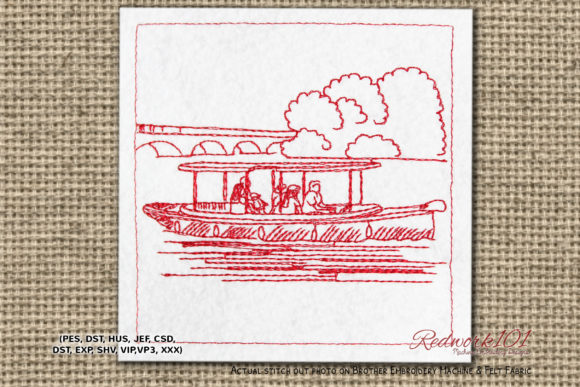
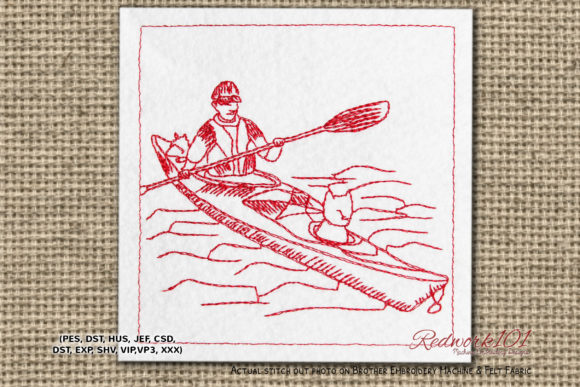
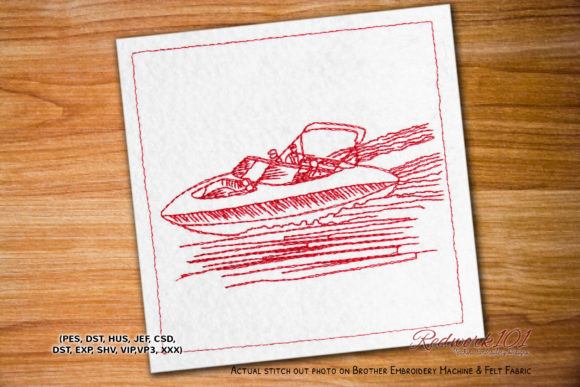
The description notes that the "Box Stitch shown in picture is optional" and that outer box colors may vary. This flexibility is a major plus for designers. It means you can adapt the Schooner Sailing Ship Lineart to fit different color palettes without being locked into a specific thread combination. Whether you are creating a muted, earthy palette for a bohemian brand or bright primary colors for a children’s clothing line, the core design remains versatile.
Real-World Business Applications
So, where does Schooner Sailing Ship Lineart shine in a commercial setting? Let’s break down its performance across various merchandise categories.
Embroidered Patches and Brand Badges
One of the most profitable uses of this design is as an embroidered patch. Because the design is based on lines, it scales beautifully. When digitized correctly, the Schooner Sailing Ship Lineart can be placed on leather-backed patches for denim jackets or canvas patches for backpacks. It serves as a powerful visual anchor for a brand. Imagine a small coffee roaster sewing this onto their reusable tote bags or a craft brewery attaching it to beer koozies. The nautical theme subtly communicates quality and journey, enhancing the perceived value of the small business merch.
Caps and Headwear
Cap embroidery requires designs that are compact and legible from a distance. The streamlined nature of line art makes it ideal for cap fronts. The Schooner Sailing Ship Lineart fits well within standard 4-inch by 4-inch hoops, allowing for a crisp representation of the ship without overcrowding the curved surface of the hat. It adds a touch of personality to staff uniforms or promotional event caps.
Tote Bags and Aprons
For retailers and artisans, tote bag design is a staple. A single, centered placement of the schooner on a heavy cotton canvas bag looks elegant and uncluttered. Similarly, for kitchen-focused businesses like cafes or bakeries, placing this design on the chest of a chef’s apron or near the pocket creates a cohesive custom apparel look. It signals attention to detail and care in presentation.
Product Packaging and Accents
Don’t overlook the potential for smaller applications. The Schooner Sailing Ship Lineart can be used as a subtle accent on product packaging labels, hang tags, or even as a decorative element on gift boxes. This level of detail enhances the handmade product experience, making customers feel they are receiving something premium.
Strategic Considerations and Where to Use Carefully
While the design has strong potential, there are specific scenarios where caution is required. As a designer, my job is to ensure the final output matches the digital preview.
- Small Patch Sizes: If you plan to produce very small patches (under 2 inches), you must inspect the stitch density. Fine lines can merge if the stitches are too close together, causing the image to become muddy. Always test at the actual production size.
- Curved Surfaces: While caps are generally fine, highly textured fabrics or extremely curved surfaces like baseball caps with deep crowns can distort thin lines. Ensure the fabric has enough stability to hold the shape of the lines.
- High Stitch Density: Although it is line art, check the underlay stitches. Excessive underlay can make the fabric pucker, especially on lightweight materials like silk or thin polyester blends used in some embroidery files.
- Dark Uniforms: On dark backgrounds, the contrast of the thread colors becomes critical. If the line art uses light threads, ensure there is sufficient contrast against the dark fabric. Sometimes, a satin border around the lines helps define the shape better than pure line art alone.
- Frequent Washing: For items that will undergo frequent industrial washing, such as restaurant aprons, ensure the design is anchored properly. Loose ends or insufficient trimmings can lead to fraying over time.
Impact on Brand Identity and Customer Trust
In the world of e-commerce and physical retail, visual consistency is key. Using a high-quality digital embroidery file like the Schooner Sailing Ship Lineart directly impacts customer trust. A poorly executed embroidery job can signal low quality, whereas a clean, precise design reinforces professionalism.
This design helps build recognition. When customers see the schooner repeatedly on your products—whether on a hat, a tote, or a label—they begin to associate that imagery with your brand values. It creates a cohesive narrative. For example, a pet brand might use the ship to suggest adventure and loyalty, while a bakery might use it to suggest traditional recipes and fresh ingredients. The design acts as a silent ambassador for your business.
Practical Embroidery Designer Notes
Before you commit to bulk production, follow these essential steps to ensure success:
- Test in Black and White: First, digitize or view the design in black and white. This helps you assess the structural integrity of the lines without the distraction of color. If it doesn’t read well in monochrome, it won’t read well in color.
- Check Hoop Size: Confirm the recommended hoop size for the design. Ensuring the design fits comfortably within your machine’s capabilities prevents unnecessary trimming errors.
- Review Thread Color Contrast: Experiment with different thread colors to find the best contrast against your target fabric. The description mentions that outer box colors may vary; use this to your advantage by selecting threads that complement your brand palette.
- Inspect Spacing: Look closely at the spacing between lines. Adequate spacing prevents stitching issues and ensures the design remains legible after washing.
- Test on Real Fabric: Never assume how a design will look on paper. Run a sample on the actual fabric you plan to use. Pay attention to how the fabric texture interacts with the stitches.
- Use Proper Stabilizer: The choice of stabilizer is as important as the design itself. For woven fabrics like cotton canvas, cut-away stabilizer is often necessary to prevent distortion. For knits, tear-away might suffice depending on the density.
- Create a Mockup: Generate a printable mockup to show clients or stakeholders. This allows for approval before any actual embroidery takes place, saving time and material costs.
- Confirm Commercial Licensing: Finally, always verify the licensing terms of the design assets. Ensure you have the right to sell finished goods featuring the Schooner Sailing Ship Lineart for commercial embroidery projects.
By following these guidelines, you can leverage the Schooner Sailing Ship Lineart to create high-quality, marketable products that resonate with your audience. It is more than just a picture of a boat; it is a tool for building a stronger, more recognizable brand presence in a competitive market.