Weaved Quilting Design Review
As an embroidery designer who has spent years refining patterns for both personal passion projects and commercial clients, I am always looking for designs that bridge the gap between technical precision and emotional warmth. When I first loaded the Weaved Quilting Design into my hoop, I knew immediately that this pattern had the potential to become a staple in my digital library. It is not just another decorative motif; it is a versatile foundation for creating high-value, personalized gifts that resonate with customers on a deeper level.
In this review, I will walk you through my testing process, exploring how this machine embroidery design performs across various textiles and product types. Whether you are an Etsy seller looking to expand your catalog or a small business owner aiming to increase perceived value, understanding the nuances of this file is crucial before you commit to production runs.
First Impressions: Mood and Visual Appeal
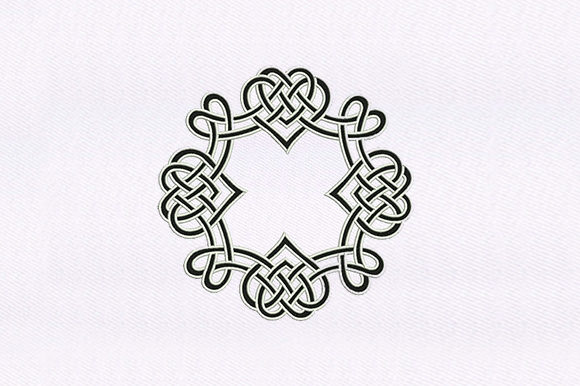
The moment the needle began to move, the charm of the Weaved Quilting Design became apparent. The pattern mimics the intricate texture of woven fabric, offering a sophisticated yet cozy aesthetic. It strikes a perfect balance between classic and modern, making it suitable for a wide range of demographics. The mood is undeniably warm and inviting, evoking the feeling of a handmade heirloom passed down through generations.
For gift creators, this visual appeal translates directly into marketability. The design feels sweet without being overly childish, elegant without being stiff, and romantic without being cliché. This versatility allows it to fit seamlessly into categories ranging from baby showers to wedding registries. When photographing finished products for your online store, this design provides excellent texture and depth, which helps attract buyer engagement and reduces return rates by setting accurate expectations for the tactile quality of the item.
Product Applications and Use Cases
One of the strongest assets of this embroidery file is its adaptability. During my testing, I applied the design to several common gift items to see how it held up. Here is how it performed in real-world scenarios:
- Baby Embroidery and Nursery Decor: The soft, interlocking lines of the Weaved Quilting Design are ideal for baby blankets and crib sheets. It adds a layer of comfort and visual interest without overwhelming the gentle colors typically used in nursery decor. Parents love personalized items that feel safe and soft, and this design delivers that handmade quality.
- Wedding Gifts and Keepsakes: For couples seeking unique favors or keepsakes, this design works beautifully on pillow covers and aprons. It can be customized with names or dates to create a memorable wedding gift that guests will actually use and appreciate. The elegance of the weave pattern elevates simple linens into luxury items.
- Personalized Towels and Kitchen Items: An embroidered towel is a classic gift, but only if the design does not compromise the fabric’s functionality. The Weaved Quilting Design offers enough detail to look professional while remaining robust enough to withstand the rigors of kitchen use. It adds a touch of rustic charm to any home.
- Tote Bags and Apparel: On sturdy cotton totes or denim jackets, the design stands out boldly. It serves as a great focal point for custom orders, allowing crafters to offer unique, one-of-a-kind pieces at craft fairs or online markets.
Strategic Considerations for Sellers
When integrating a new design into your product line, it is essential to consider how it affects your bottom line and customer trust. A well-executed embroidery job signals professionalism and attention to detail. By using the Weaved Quilting Design, you are signaling to your customers that you care about the tactile experience of your products.
This design enhances the perceived value of low-cost base items. A plain white pillow cover might sell for $10, but with a beautifully stitched Weaved Quilting Design, it becomes a premium gift item worth significantly more. This is particularly important for digital product sellers who may also offer printable mockups to help their customers visualize the final result. High-quality previews build confidence and encourage purchases.
Technical Challenges and Where to Exercise Caution
While the Weaved Quilting Design is impressive, no machine embroidery design is universally perfect. As an experienced designer, I must highlight specific areas where caution is required to ensure a successful finished product.
First, avoid using this design on stretchy baby clothes or curved surfaces where tension control is difficult. The intricate weave pattern requires a stable canvas to maintain its integrity. If the fabric stretches during stitching, the design may pucker or distort, leading to customer dissatisfaction.
Similarly, be careful when applying this design to thick towels or textured fabrics. While it looks great on standard terry cloth, extremely plush fabrics may hide the finer details of the weave. Always test on scrap fabric that matches the weight and texture of your final product. Dark fabrics can also pose a challenge; ensure you have high-contrast thread colors selected so the design remains visible and legible.
Another critical factor is stitch density. Although exact specifications should be verified in the file metadata, dense designs require proper stabilizer support. Using insufficient backing can cause the fabric to dimple or the stitches to sink, ruining the clean look of the weave. Confirm your hoop size and stabilizer choice based on the specific garment or accessory you are working with.
Practical Embroidery Notes for Success
To get the best results from the Weaved Quilting Design, follow these practical steps before starting any commercial production:
- Test on Scrap Fabric: Never skip this step. Stitch the design on a piece of the actual fabric you plan to use. This allows you to check thread color contrast and observe how the design interacts with the material’s grain.
- Review Stitch Density: Check the software preview for any areas that may be too dense. If necessary, adjust thread colors to break up large blocks of stitching and improve the overall flow.
- Confirm Commercial Licensing: Before selling finished products, verify that your digital embroidery file includes commercial rights. Selling items made from designs without proper licensing can lead to legal issues and damage your reputation as a small shop product creator.
- Compare Light and Dark Mockups: Create digital mockups showing the design on both light and dark backgrounds. This helps you determine which thread colors work best for different customer preferences and ensures your marketing materials are accurate.
- Check Small Details: After stitching, inspect the fine lines of the weave. If any details appear lost or merged, consider simplifying the design or adjusting the zoom level for future orders.
Final Thoughts
The Weaved Quilting Design is a powerful tool for any embroidery enthusiast or business owner. Its blend of aesthetic appeal, versatility, and emotional resonance makes it an excellent choice for personalized gifts. From baby blankets to wedding keepsakes, this design adds a layer of sophistication and warmth that customers love.
By paying attention to technical details like stabilizer choice, thread contrast, and fabric compatibility, you can ensure that every finished product meets the highest standards of quality. Whether you are listing items on Etsy, selling at local craft fairs, or running a custom embroidery shop, incorporating the Weaved Quilting Design into your collection is a smart move. It represents not just a stitch pattern, but a commitment to creating meaningful, handmade products that stand the test of time.
Remember, the success of your custom embroidery projects lies in the preparation. Take the time to test, refine, and understand your tools. With the right approach, the Weaved Quilting Design can become a signature element of your brand, helping you build trust and loyalty among your customers. Happy stitching!