White Button Mushroom Redwork Review
As an embroidery designer who spends hours digitizing, testing, and refining designs for both personal use and commercial clients, I am always looking for that perfect balance between aesthetic charm and technical reliability. When I stumbled upon the White Button Mushroom Redwork on Creative Fabrica, it immediately caught my eye. It isn’t just another generic floral or geometric pattern; it has a distinct, rustic personality that feels right at home in today’s handmade market. This review is based on my professional assessment of how this design might perform in real-world scenarios, from custom apparel to boutique merchandise.
First Impressions: Visual Mood and Design Personality
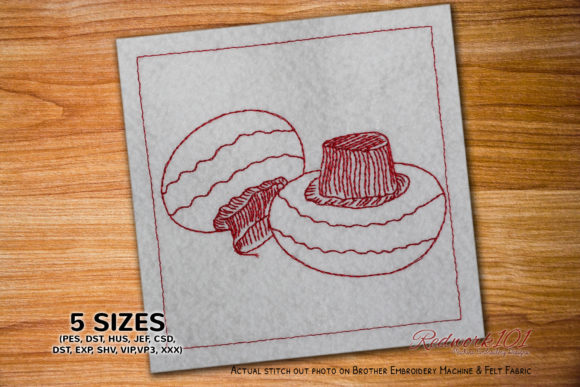
The term "Redwork" traditionally refers to simple, bold outlines often stitched in red thread, but modern interpretations have expanded significantly. The White Button Mushroom Redwork captures that nostalgic, cottage-core vibe while remaining versatile enough for contemporary tastes. Visually, the mushroom motif is clean and recognizable. It doesn’t rely on overly complex shading or intricate textures that can get lost in smaller hoop sizes. Instead, it leans into strong silhouettes and clear lines, which is exactly what you want when aiming for high-quality machine embroidery.
For designers, the appeal lies in its adaptability. The description notes that the outer box shown in pictures is optional and may vary in color. This is a crucial detail for us as creators. It means we aren't locked into a rigid frame unless we choose to be. We can strip away the border for a minimalist look or embrace the framing for a more structured, badge-like appearance. This flexibility allows the same embroidery file to serve multiple purposes within a single collection.
Real-World Application: Where Does This Design Fit?
I evaluated this design with several potential projects in mind, focusing on items that are popular among Etsy sellers and craft fair exhibitors. Here is how the White Button Mushroom Redwork performs across different categories:
- Kitchen Textiles: Mushrooms have long been associated with foraging and kitchen aesthetics. Stitching this onto a linen tea towel or a heavy-duty canvas apron creates an immediate connection with the user. The simplicity of the design ensures it remains legible even after repeated washing, making it a practical choice for handmade product lines focused on home goods.
- Baby and Nursery Items: There is a growing trend toward organic, nature-inspired themes for nurseries. A small, delicately stitched mushroom on a muslin swaddle or a cotton blanket offers a soft, non-overwhelming visual. Because the design is likely contained within a manageable hoop size, it avoids being too bulky against delicate skin, provided the stitch density is appropriate.
- Custom Apparel: For sweatshirts or tote bags, this design works exceptionally well as a chest pocket placement or a centered back print. The contrast between the white mushroom (if using white thread) or the outlined shape against darker fabrics like navy, forest green, or charcoal grey creates a striking visual pop. It pairs naturally with other design assets related to nature or food themes.
- Accessories and Patches: The structured nature of redwork makes it ideal for iron-on patches or embroidered caps. If the digitization includes a sturdy satin stitch around the perimeter, it holds up well to the friction and wear typical of hats and bags.
Technical Considerations and Practical Use
While the artistic vision is strong, the success of any machine embroidery design hinges on technical execution. As a reviewer, I must highlight several practical aspects to consider before integrating this into your production workflow.
Stitch Density and Detail
Redwork typically relies on running stitches and light fill areas rather than dense satin blocks. This is generally good news for fabric stability, as less density reduces the risk of fabric puckering. However, if the design includes tiny details—such as gills under the cap or fine text—you must verify the minimum hoop size required. Tiny lettering or minute details can become muddy if the fabric stretches during stitching or if the stabilizer is not chosen correctly. Always test these elements on scrap fabric that matches the weight and stretch of your final material.
Fabric and Thread Contrast
The description mentions that the outer box color may differ. This implies that thread selection is flexible. When working with a white button mushroom, contrast is key. On light fabrics, you will need a contrasting thread color for the outline to ensure visibility. On dark fabrics, white or light-colored threads will stand out beautifully. Be mindful of textured fabrics like bouclé or heavy denim, as they can obscure fine stitch work. Smooth cottons, linens, and fleece provide the best surface for maintaining crisp lines.
Stabilizer Choices
To achieve a professional finish, especially on knit fabrics like sweatshirts or jersey tees, a cut-away stabilizer is often recommended to prevent distortion over time. For woven items like tote bags or aprons, a tear-away or wash-away stabilizer might suffice, depending on the design's footprint. Ignoring proper stabilization can lead to misaligned stitches, which detracts from the perceived value of the finished product.
Impact on Product Value and Brand Consistency
In the world of digital products and physical handmade goods, presentation matters. A well-executed embroidered patch or a neatly stitched apron elevates the brand image instantly. Using a cohesive theme, such as a mushroom or foraging series, helps create a recognizable aesthetic for your shop. Buyers trust consistency; when they see a style they like on one item, they are more likely to purchase additional items featuring similar motifs.
Furthermore, this design lends itself well to seasonal marketing. While mushrooms are evergreen, they pair nicely with autumnal collections or spring foraging themes. Creating printable mockups that showcase the mushroom design on various backgrounds can help you visualize how it fits into broader collections without committing to physical production immediately.
Final Verdict and Recommendations
The White Button Mushroom Redwork is a solid addition to any embroidery library, particularly for those focusing on rustic, natural, or whimsical themes. Its strength lies in its clarity and adaptability. It is not overly complicated, which makes it accessible for intermediate embroiderers while still offering enough character for seasoned professionals to build upon.
Before purchasing or downloading, I strongly advise you to:
- Check File Details: Confirm the supported formats and ensure they match your embroidery machine software.
- Review Licensing: Verify the commercial use rights on the Creative Fabrica product page. Some licenses allow unlimited use, while others may restrict the number of physical items sold.
- Test Stitch Out: Never skip the test run. Stitch the design on your actual target fabric with your intended thread colors. Inspect the tension, check for gaps in the fill, and ensure the edges are clean.
- Compare Mockups: Look at how the design appears on both light and dark fabrics to determine your optimal thread palette.
If you are looking for a versatile, charming, and technically sound design to enhance your custom apparel or kitchen towel offerings, this mushroom motif is worth considering. It embodies the spirit of thoughtful, handmade creation that resonates with today’s consumers. Just remember to do your due diligence on the technical specs to ensure every stitch meets your high standards.