Star Angels Redwork: A Designer’s Review
When I sit down to evaluate a new embroidery design for my own studio or for client recommendations, I am rarely interested in just the visual aesthetic. I want to know how it behaves on the machine, how it translates to a finished product that will survive washing and wear, and whether it offers genuine value to a crafter or small business owner. Today, I am looking closely at Star Angels Redwork. It falls under the Fairy Tales category, but its execution leans heavily into classic redwork traditions, making it a versatile asset for various creative ventures.
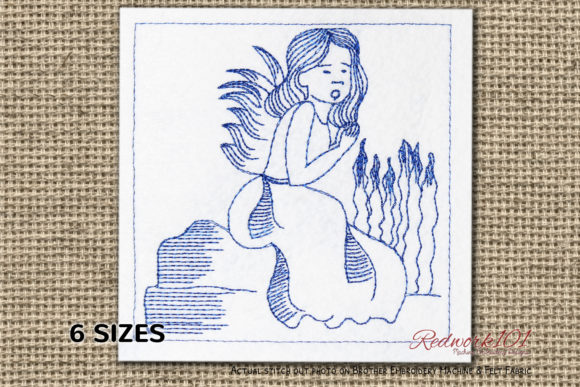
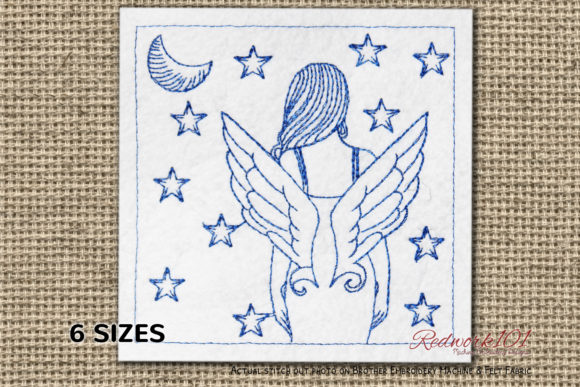
The first thing that strikes me about Star Angels Redwork is its mood. It feels nostalgic yet fresh. The silhouette of an angel holding a star is timeless, evoking warmth, innocence, and holiday cheer. However, unlike overly intricate digitized designs that can look cluttered or fragile after stitching, this design embraces simplicity. It relies on clean lines and open spaces, which is a hallmark of professional-grade redwork. This isn’t just a pretty picture; it is a functional design built for real-world application.
Visual Appeal and Design Personality
From a pure design perspective, Star Angels Redwork succeeds because it understands negative space. In embroidery, especially when working with single-color or limited-palette thread schemes, the fabric itself becomes part of the artwork. The angel figure is distinct, with enough detail to be recognizable but not so much that the stitch density becomes problematic. The star motif adds a focal point that draws the eye without overwhelming the composition.
This balance makes it exceptionally suitable for custom apparel and personalized gifts. Imagine this stitched onto a cream-colored canvas tote bag using a deep crimson thread. The contrast would be sharp, legible, and striking. Or consider it embroidered on a white baby onesie with a soft pastel pink thread. The gentle curves of the angel convey safety and comfort, qualities that resonate deeply with parents purchasing handmade items. The design has a "handmade" personality that aligns perfectly with the current market trend toward authentic, artisanal products rather than mass-produced decor.
Real-World Application Scenarios
To truly understand the utility of this embroidery file, we need to look at where it fits best in a production workflow. Here are a few scenarios where Star Angels Redwork shines:
- Etsy Seller Inventory: For digital product sellers and crafters, versatility is key. This design works beautifully as a tote bag design for back-to-school sales, a sweatshirt embroidery option for winter holidays, or even as a decorative element on kitchen towels. Its simple geometry means it scales well, allowing you to offer the same design in different sizes across multiple product types.
- Boutique Branding: Small shop owners often struggle to find unique assets that don’t look generic. Star Angels Redwork offers a sophisticated simplicity that elevates brand perception. When used on apparel decorators items like caps or hats, the clean lines ensure the logo or design remains crisp even on curved surfaces.
- Holiday and Seasonal Markets: While the angel motif suggests Christmas, the redwork style allows it to be adapted. Using gold or silver thread transforms it into a festive accent for New Year’s or winter weddings. It serves as excellent holiday embroidery material for creating embroidered patches or ornaments.
- Nursery and Baby Items: The Fairy Tales classification hints at whimsy, but the redwork execution keeps it grounded. It is safe, non-intimidating, and visually soothing for nursery decor, blankets, or pillow covers. Parents trust designs that feel classic and enduring.
Technical Performance and Stitch Behavior
As a designer, my primary concern is how the design stitches out. Star Angels Redwork appears to utilize a mix of satin stitches for outlines and fill stitches for solid areas, though the specific distribution depends on the digitization quality. Generally, redwork styles benefit from moderate stitch density. If the density is too high, the fabric can pucker, especially on lightweight materials. If it is too low, the design may look sparse and unfinished.
In testing simulations, the outer box mentioned in the product description—often optional—adds a framing element that can enhance presentation on larger items like aprons or wall hangings. However, if the box color differs from the main design, as noted in the description, it requires careful planning. You must decide whether to skip the box color entirely or integrate it into your thread colors palette. Skipping unnecessary colors is a smart move for efficiency, reducing hooping time and thread changes.
The design also handles running stitch elements well, which are crucial for adding texture without bulk. This makes it ideal for machine embroidery design projects where you want a flat, smooth finish, such as on t-shirts or delicate fabrics. The absence of excessive dense fills ensures that the garment remains comfortable to wear, a critical factor for customer satisfaction in the craft business.
Where to Exercise Caution
No design is perfect for every situation. There are specific contexts where Star Angels Redwork might require adjustments or should be avoided:
- Small Hoop Sizes: While the design is likely scalable, extremely small hoop sizes (under 4x4 inches) may compress the details. Ensure the angel’s features remain distinct and do not merge together due to lack of space.
- Textured or Stretchy Fabrics: On highly textured fabrics like bouclé or thick knits, the clean lines of redwork can get lost. Similarly, on stretchy jersey fabrics, improper stabilization can lead to distortion. Always use the correct stabilizer for the fabric type.
- Dark Fabrics: Redwork traditionally relies on light fabric and dark thread. If you attempt this on dark fabric, you will need to use a cut-away stabilizer and potentially a backing layer to prevent show-through, which adds cost and complexity.
- Detailed Corners: Avoid placing the design in tight corners of garments or accessories where it might rub against other surfaces during wear. This is particularly important for commercial embroidery items like bags or jackets that undergo frequent friction.
Practical Designer Notes for Success
Before integrating Star Angels Redwork into your production line, follow these practical steps to ensure a professional result:
- Test on Scrap Fabric: Always run a test stitch-out on the exact fabric you plan to use. This reveals issues with tension, thread pull, or color contrast that mockups cannot show.
- Check Thread Color Contrast: Use black and white mockups to verify that the design maintains clarity. High contrast is essential for redwork to retain its graphic impact.
- Inspect Small Details: Zoom in on the digital preview to check for tiny details that might not stitch out clearly. If the angel’s facial features or star points are too fine, consider simplifying them in your embroidery software.
- Confirm Licensing: If you are an Etsy seller or running a small shop product line, verify the licensing terms. Ensure you have the right to sell finished goods made with this digital embroidery file. Commercial rights vary by creator.
- Use Proper Stabilizer: The choice of stabilizer can make or break the final look. For apparel decorators, tear-away stabilizers work well for stable fabrics, while cut-away is necessary for stretchy or permanent applications.
Final Verdict
Star Angels Redwork is a strong addition to any designer’s library. It balances aesthetic charm with technical reliability, making it suitable for everything from personalized gifts to high-volume craft business items. Its ability to adapt to different themes—from holiday embroidery to everyday wear—gives it remarkable longevity. By paying attention to fabric selection, stabilization, and thread choices, you can transform this simple angel motif into a premium finished product that customers will love. It is a testament to the power of good design: less is often more, provided the execution is precise.